Outcome Clustering And The Illusion Of Advantage

When we think about fairness and efficiency in systems, much of the discourse focuses on rules, incentives, or structural design. Yet a less acknowledged but powerful force shaping how people experience advantage is the clustering of outcomes—the way success and failure appear to group together in patterns that seem meaningful but are in fact often random. Understanding why clusters feel like advantages sheds light on why many fair systems feel rigged and why even well-designed rules can leave people convinced they are losing out.

The clustering illusion is a cognitive bias where individuals perceive patterns or streaks in random sequences of events that have no underlying structure. This bias leads us to see continuous wins, losses, or trends as evidence of systemic advantage or disadvantage, even in situations that are statistically neutral.

How Human Perception Distorts Randomness Into Advantage

At the heart of outcome clustering is how the human brain interprets randomness. We intuitively seek patterns in data because pattern recognition has been essential for learning and survival. However, that same instinct creates what psychologists call the clustering illusion—a tendency to believe random events that appear grouped are not random at all.

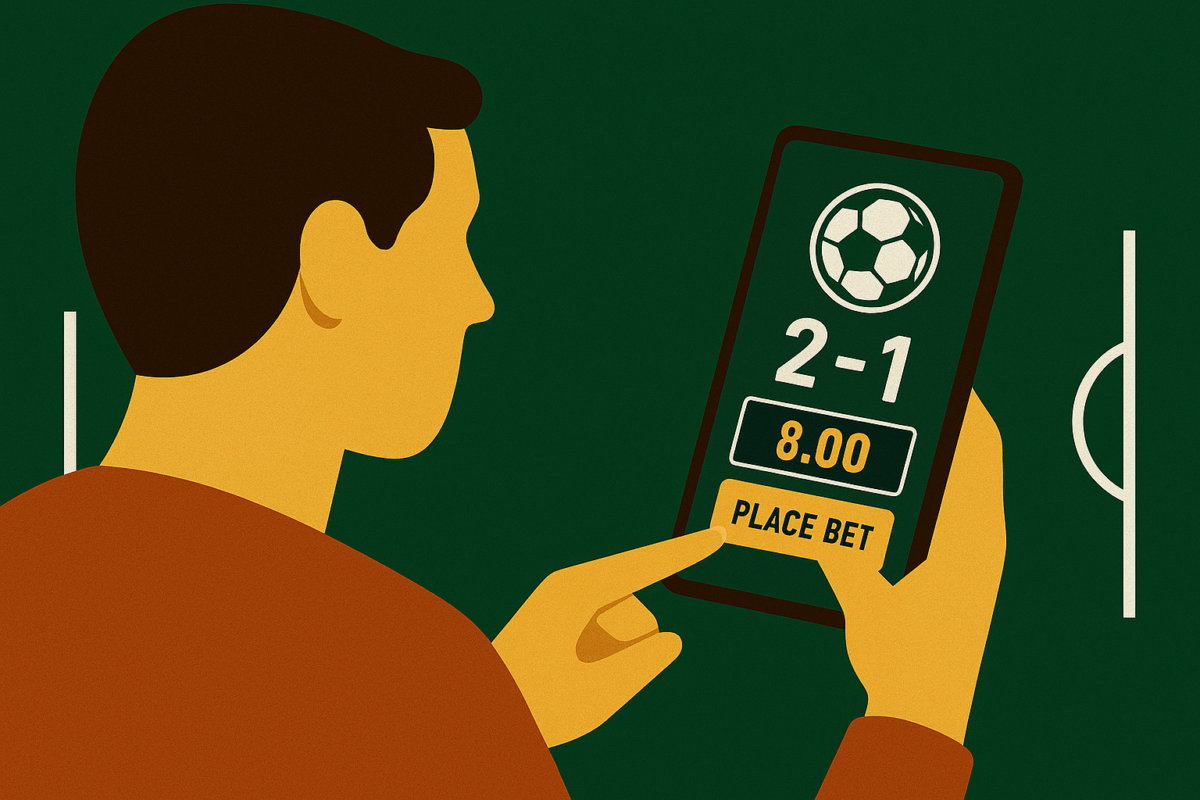
This bias manifests in everyday experiences. Consider a person who wins several small bets in a short period. Their string of wins may simply be random variation rather than evidence of skill or advantage, yet they may believe they are on a “hot streak.” Similarly, observing a series of promotions at a firm going to people from a particular school might appear to indicate favoritism or systemic bias, when deeper analysis could show this pattern is consistent with statistical fluctuation expected in unbiased processes.

The psychological weight of these perceived patterns leads to a sense of unfairness because people layer narrative meaning onto randomness. We don’t naturally think in terms of probability distributions; we think in terms of stories. Clusters become proof of advantage or disadvantage in the story we tell about how the world works.

Why Clusters Persist Even In Fair Systems

Random processes often produce clusters. Whether in coin tosses, sports performance, or job market outcomes, simple probability dictates that streaks and bunching of outcomes are normal. People misinterpret these natural patterns as non-random signals. The clustering illusion explains why individuals can feel that luck has “ran out” or that certain groups have an unfair edge, even when the underlying system is unbiased.

In systems that are genuinely fair and efficient, statistical noise can still create outcome clusters that look like systematic advantages. For example, even in a fair lottery, several winners might come from the same region in one draw due purely to chance. People unfamiliar with randomness will see this and question fairness, despite there being no structural bias.

This gap—between statistical expectation and subjective interpretation—is rarely covered in mainstream discussions of fairness. Most articles on fairness focus on rule design, equity metrics, or procedural transparency. They seldom address how cognitive biases skew the interpretation of statistical outcomes, creating illusions of advantage that have real social consequences.

The Social Consequences of Misreading Clusters

When individuals see clusters as signals of systemic advantage, they adjust their behavior and beliefs accordingly. Workers may think that success is more about belonging to the right network than merit. Voters may believe election results reflect hidden manipulation rather than random variation plus distribution of preferences. Investors may chase recent market winners, assuming they will persist. In each case, the clustering illusion affects trust in systems and fuels beliefs that they are rigged against certain groups.

This illusion also interacts with fairness narratives in institutions. When people attribute clustered outcomes to unfair advantage rather than randomness, they may push for policy changes that respond to a misinterpretation of data. This can lead to inefficient or misaligned reforms that target perceived biases rather than actual structural issues, reinforcing dissatisfaction without correcting root causes. This breakdown in trust is explored in our article on why transparency does not always restore trust.

Bridging the Gap: Education, Transparency, and Interpretation

Addressing the illusion of advantage involves acknowledging the role of statistical literacy in fairness debates. Transparency about how random variation produces clusters, paired with education on interpreting outcomes correctly, can reduce the sense that neutral systems are inherently biased. This means going beyond telling people the rules and showing them how outcomes behave under those rules.

Statistical reasoning, such as explaining how streaks or clusters are expected in large datasets, can counteract the instinct to see deliberate patterns. Rather than simply asserting fairness, communicators must help audiences understand how randomness works and why clusters do not necessarily imply advantage.

Summary

Outcome clustering and the illusion of advantage illustrate the gap between human intuition and statistical reality. Randomness creates patterns that the brain is predisposed to interpret as meaningful. When these perceived patterns coincide with success or failure in social systems, people are quick to infer hidden advantages or rigging. This psychological effect explains much of why fair systems often feel unfair and highlights that building trust requires not just fair rules but effective interpretation of their outcomes. The cognitive science behind pattern recognition and randomness is a key topic in psychological research, such as that covered by the American Psychological Association.

Why Transparency Does Not Always Restore Trust

Transparency is often treated as a cure-all for distrust. When confidence drops, the instinctive response is to disclose more information. Publish the rules. Share the data. Explain the process. The assumption is simple: if people can see how decisions are made, suspicion will fade, and trust will return.

In practice, that assumption frequently breaks down. Many systems become more transparent and yet remain deeply distrusted. In some cases, transparency even intensifies skepticism. This is not because transparency is inherently bad, but because openness alone does not address the deeper conditions that make trust possible. Understanding why requires separating visibility from legitimacy.

Why “More Information” Does Not Automatically Build Trust

Trust is not formed by access to information alone. People use information to answer three questions: Is the system competent, is it acting in good faith, and do I have any meaningful ability to respond to its decisions. Transparency helps only when it supports those judgments.

A common gap in popular writing on transparency is the assumption that distrust is caused by ignorance. In reality, distrust is often caused by repeated negative experiences. When outcomes feel consistently unfavorable, more detail about the process does not change the lived result. It simply clarifies how the same outcome keeps happening.

Transparency can also increase cognitive load. Raw disclosures, technical explanations, and dense reports ask the audience to do interpretive work that many cannot realistically perform. When people cannot make sense of what they see, they do not conclude that the system is honest. They conclude that the truth is buried somewhere they cannot reach.

In that sense, transparency without interpretability does not feel like openness. It feels like deflection.

When Transparency Makes Systems Feel Worse, Not Better

There are specific conditions under which transparency reliably backfires.

One is the exposure of complexity. Many decisions involve tradeoffs, uncertainty, and disagreement. When transparency reveals this messiness, audiences may interpret it as incompetence rather than care. What insiders experience as thoughtful deliberation can look like confusion from the outside, especially when people expect decisiveness.

Another is perceived performance signaling. Sudden transparency often triggers the question, “Why now?” If openness appears only after criticism or failure, disclosure is interpreted as reputation management rather than sincerity. The same information that would feel reassuring in a high-trust environment can feel manipulative in a low-trust one.

Transparency can also magnify dissatisfaction by making inequalities more visible. When people see exactly how outcomes are distributed and notice that the same groups keep benefiting, openness does not soften the result. It sharpens it. The system may be clearer, but it does not feel fairer. This dynamic is a key example of a situation where efficient rules can create repeated losers and feel unfair.

The Difference Between Transparency And Understanding

One of the most overlooked distinctions is that transparency is about availability, while understanding is about meaning. A system can be transparent and still be incomprehensible to the people affected by it.

Understanding requires context. Why this metric mattered. Why was that tradeoff accepted. Why alternatives were rejected. Without that framing, transparency becomes a data dump that invites misinterpretation. People fill the gaps with narratives, often hostile ones, because uncertainty is uncomfortable.

This is especially true in automated or rule-driven systems. Explaining that a decision followed a model does not help if the person cannot see how their inputs connect to outcomes. Transparency that removes mystery but preserves helplessness does not build trust. It simply confirms a power imbalance.

Why Transparent Systems Are Judged More Harshly

Transparency raises expectations. Once a system claims openness, people expect responsiveness, correction, and learning. If those do not follow, transparency feels hollow.

This creates a paradox. Transparent systems often face harsher judgment than opaque ones, because they have implicitly promised accountability. When mistakes repeat, explanations begin to sound like excuses. Over time, transparency without change becomes evidence that the system understands its flaws and chooses not to address them.

There is also an emotional dimension. For people who feel harmed by a system, transparency can feel like being forced to watch the machinery that keeps producing the same losses. Seeing the gears turn does not reduce frustration if there is no credible path to a different result.

What Transparency Can and Cannot Do

Transparency is best understood as an amplifier, not a repair tool. It strengthens whatever signals are already present.

If a system is competent, adaptive, and perceived as acting in good faith, transparency reinforces trust. It confirms that what people suspect is true. If a system produces repeated negative outcomes, transparency accelerates distrust by making those patterns undeniable.

This is why transparency alone cannot restore legitimacy. Trust depends on whether people believe the system can correct itself and whether their participation matters. Without visible correction and credible mobility, openness feels cosmetic.

Why This Matters For Fairness And Efficiency

Efficient systems often rely on transparency as a substitute for fairness. The logic is that if the rules are clear and consistently applied, dissatisfaction should decline. But clarity does not change distribution, and consistency does not guarantee dignity.

When transparency reveals that efficient rules repeatedly disadvantage the same participants, the system’s claim to fairness weakens. People are not confused about how decisions are made. They are unconvinced that the process respects them.

The deeper lesson is that trust is not restored by seeing more. It is restored by seeing that the system listens, adapts, and allows outcomes to change in response to failure. Transparency helps only when it supports those beliefs.

Summary

Transparency is still valuable. It just cannot do the job alone. When systems mistake visibility for legitimacy, they end up clearer, louder, and no more trusted than before. Research on the limits of transparency in governance and organizational trust is a key area within the social sciences, such as that found in the Oxford Handbook of Public Accountability.

When Efficient Rules Create Repeated Losers: Why Fair Outcomes Can Still Feel Unfair

A lot of systems are built to be clean, consistent, and efficient. The rules are written down. The scoreboard is visible. The procedure is the same for everyone. And yet the same people keep ending up at the bottom. That is the uncomfortable truth hiding inside many “well designed” environments: efficient rules can produce repeated losers without any cheating, conspiracy, or villain in the room.

Part of the confusion comes from how people casually use the word fair. In economics and policy, efficiency often means allocating resources in a way that minimizes waste and maximizes total output, while equity focuses on how outcomes are distributed across people. Those goals can collide, even when a system is operating exactly as intended.

This is why efficient rules can feel rigged. Not because the rules are secretly broken, but because efficiency is usually optimized for the system’s totals, not for the lived experience of the person who keeps losing. This gap between systemic logic and personal experience is a key reason why fair systems so often feel rigged on a psychological level. And once a system starts creating repeated losers, the losses often compound in ways the original rule designers did not fully price in.

Why Do Efficient Rules Produce Repeated Losers Instead Of Rotating Winners?

Many people assume that if rules are neutral, outcomes should “average out.” Sometimes they do. Often they do not, because efficient rules tend to reward whatever the system measures best, not whatever people morally value most.

In markets, efficiency is frequently described as prices reflecting available information, with competition pushing resources toward their highest valued use. That framework is powerful, but it is also indifferent to whether the same participants repeatedly land on the wrong side of the trade, the wrong side of timing, or the wrong side of a structural advantage. The system can be informationally sharp while socially bruising.

Zoom out and you see the same pattern outside finance. Hiring funnels reward signals that are easy to compare. School admissions reward testable outputs. Platform rankings reward engagement. Queue systems reward whoever can wait, refresh, or respond fastest. In each case, efficient rules try to reduce friction. But friction is sometimes what protects people from being crushed by small disadvantages that keep stacking.

Repeated losers appear when a system has even a mild “rich get richer” dynamic. Early wins create resources, confidence, and access that raise the odds of winning again. Early losses create constraints that make the next round harder. Winner-take-all settings intensify this because the top gets paid disproportionately, leaving many participants competing for scraps even if they are competent.

What Hidden Mechanics Turn Normal Competition Into A Repeated-Loser Machine?

The simplest way to understand repeated losers is to stop focusing on one round and start watching sequences. Efficient rules do not just score outcomes. They shape the next attempt.

One mechanism is compounding. If efficient rules allocate more opportunity to whoever performed best last time, then performance becomes both the result and the input. This is common in sales territories, promotions, recommendation feeds, and even social networks. The rule feels fair in a single snapshot, but across time, it becomes a funnel that narrows.

Another mechanism is unequal recovery time. Efficient rules often assume losses are temporary and reversible. In real life, losing costs time, energy, and optionality. A missed promotion can mean less mentoring, less visibility, and fewer stretch assignments. A poor semester can mean fewer advanced placements. A failed product launch can mean less runway for the next attempt. When the system does not buffer recovery, the same people stay behind.

A third mechanism is measurement bias. Efficient rules prefer metrics that are cheap to verify and compare. That pushes the system toward proxies. Proxies are not evil, but they can lock in an advantage. If the proxy correlates with background resources, then the rule is effectively selecting for prior privilege while still appearing neutral.

Then there is the feedback loop of belief. When people experience repeated losses, they adjust their risk taking, their effort, and their willingness to re-enter. That can make the “best” performers look even better, not because they are inherently superior, but because the system gradually filters out discouraged competitors.

Why Does An Efficient System Feel More Personal And More Unfair To The Losers?

Efficiency has a cold tone. It gives you a number. It gives you a rank. It rarely gives you a story that feels humane.

Equity and efficiency are often framed as a tradeoff in introductory explanations: pushing for maximum output can worsen distribution, while pushing for distribution can reduce some incentives or change behavior. Even when that framing is debated in specific contexts, it captures a core emotional reality: people judge fairness by more than totals. For a foundational exploration of this tension between outcomes and opportunities, the capabilities approach developed by economist Amartya Sen provides a critical framework, as summarized in this World Bank research brief.

A person who keeps losing is not evaluating the system like an accountant. They are evaluating it like someone trying to build a life. From that viewpoint, efficient rules can feel like they are designed to humiliate, because the system keeps insisting the outcome is “objective.” The more the system claims neutrality, the more insulting it can feel to the person who experiences the results as predictable, repeated failure.

That is also why “winner-take-all” environments generate a special kind of resentment. If the rewards are sharply concentrated, the gap between effort and payoff becomes visible. People do not just feel behind. They feel erased. This intense psychological experience is why winners defend the system and losers distrust it, creating a deep and persistent social divide.

How Can Systems Stay Efficient Without Creating Permanent Losers?

The goal is not to ban competition or pretend that outcomes should always be equal. The goal is to notice when efficient rules are quietly turning short-term losses into long-term exclusion.

One approach is to reduce path dependence. If access to the next round depends heavily on the last round, repeated losers become baked in. Systems can keep efficient rules while adding resets, rotating opportunities, or limiting the carryover of advantage. This is not charity. It is maintenance. It prevents the pipeline from turning into a one-way chute.

Another approach is to separate evaluation from resource allocation. When the same metric decides both who is “best” and who gets the tools to become better, the system magnifies small differences. Efficient rules can be kept for selection while distributing some developmental resources more broadly, especially early in the process when signals are noisy.

A third approach is to design compensation and buffers for predictable harms. Policy discussions sometimes focus on winners and losers of reforms and the legitimacy of compensation when changes are efficiency-improving but unevenly painful. That same logic applies at smaller scales inside organizations and platforms. If your rule predictably creates repeated losers, you can either pretend it is their fault or you can treat it as a design output and manage it.

Summary

Efficient rules are not automatically fair, and unfair feelings are not automatically irrational. The real question is whether the system’s efficiency is coming from healthy competition or from quietly converting early disadvantages into permanent labels. When efficient rules create repeated losers, the system may be doing exactly what it was built to do. The uncomfortable part is realizing that “built correctly” and “experienced as fair” are not the same thing. For a foundational economic perspective on the trade-offs between efficiency and equity, the work of Nobel laureate Amartya Sen, particularly his Idea of Justice, is a critical reference, often discussed in academic forums like the World Bank’s development research.

Why Fair Systems Feel Rigged: The Psychology Behind “Unfair” Fairness

A fair system can be mathematically clean and still feel like a scam. That is the core problem behind why fair systems feel rigged. People do not experience “fair” as a spreadsheet definition. They experience it as a story about agency, effort, and whether the process respected them while it was happening. When those psychological requirements are not met, the mind fills the gap with suspicion, even when the rules are consistent.

One of the clearest examples is the coin flip, which is basically fairness in its purest form. Yet people routinely feel stung by the outcome and interpret that sting as evidence that something was off. Research and commentary on this “illusion of unfairness” point to a simple driver: when people feel excluded from the procedure, the process feels less fair before the result is even known. In other words, a system can be fair on paper, but the human brain judges fairness partly by perceived procedural control, not just by outcome parity.

That gap between objective fairness and felt fairness becomes even wider in real systems like markets, workplace evaluations, school admissions, queues, or platform algorithms. These systems are bigger than any single person’s view, and that size creates opacity. Opacity creates confusion. Confusion creates narrative. And narrative, under stress, tends to default to “this is rigged.”

What Do People Mean When They Say A System Is “Rigged”?

When someone says a system is rigged, they might not be making a technical claim about cheating. More often, they are describing a lived experience: “My inputs do not reliably map to outputs, and I cannot explain why.” That feeling shows up in at least three common forms.

First is the agency complaint. People are more tolerant of losing when they feel they had a meaningful role in the process. Remove the sense of voice, choice, or participation, and the same outcome feels harsher. That is one reason why fair systems feel rigged when decisions are handed down by distant rules or hidden models.

Second is the visibility complaint. Many systems show outcomes but hide mechanisms. When the “why” is missing, people assume the missing information is being hidden on purpose. This becomes especially intense in algorithmic systems where the logic is not legible to the average user, and even developers debate what “fairness” should mean in context. Studies on perceptions of algorithmic fairness repeatedly highlight the importance people place on explanations, transparency, and accountability. This specific failure of clarity, even in well-intentioned systems, is explored in our article on why transparency does not always restore trust.

Third is the dignity complaint. People react strongly to whether they were treated with respect and whether the process seemed to take their effort seriously. A fair rule can still feel insulting if it ignores context, treats people as interchangeable, or communicates, intentionally or not, that their work does not matter.

This is why fair systems feel rigged even when cheating is not happening. The complaint is often about interpretation, not arithmetic.

Why Does Efficiency Create “Unfair” Experiences?

Market efficiency, broadly understood, is about information being reflected in outcomes quickly. It is not designed to feel kind. It is designed to clear, to balance, to converge. And that is exactly why fair systems feel rigged inside efficient environments. Efficiency compresses time and spreads reward unevenly across participants, because it rewards the right timing, the right fit, and the right exposure to information, not just effort.

In efficient systems, small differences compound. Tiny advantages can snowball because the system responds to results, not intentions. That compounding can look like favoritism from the outside, even when the rule is consistent. The human mind is not naturally built to accept compounding as “neutral,” because it produces visible winners and persistent losers. When people see stable winner clusters, they infer stable bias.

There is also a scale mismatch. A system can be fair globally and still feel unfair locally. If a process improves overall performance but produces pockets of repeated loss for certain participants, those participants will reasonably report that it feels rigged, because their lived sample is not the global average. Research on fairness in sociotechnical and algorithmic decisions flags this exact tension: statistical fairness at the system level can conflict with perceived fairness in specific contexts and lived experiences. This local experience of global rules is a fundamental reason why equal rules do not create equal experiences.

So when people say fair systems feel rigged in “efficient” environments, they are often reacting to the emotional cost of efficiency: speed, opacity, compounding, and uneven exposure.

Why Do Winners And Losers See The Same Rules Differently?

A major content gap in a lot of mainstream “life is not rigged” writing is how strongly outcomes reshape perception, even when everyone knows the rules. People do not just interpret results. They protect identity.

In a well-known experimental setup reported by Cornell, researchers used a simple card game with rule changes that could tilt advantage. The striking result was not just that people noticed unfairness. It was that winners were far more likely to call the game fair, even when the rules favored them. In other words, winning pushes people toward stories of merit, and losing pushes people toward stories of broken systems.

This matters because it explains why debates about fairness become moral arguments instead of technical ones. When someone wins, calling the system fair protects the meaning of their win. When someone loses, calling the system fair threatens the meaning of their effort. That makes “rigged” a psychologically efficient explanation, because it preserves self-respect.

There is an extra twist here that is easy to miss: the Cornell report also describes winners becoming more sensitive when advantage becomes too obvious, because then the win stops feeling earned. That creates a weird sweet spot where people want enough tilt to feel safe, but not enough tilt to feel guilty. This is another reason fair systems feel rigged across groups: each group is optimizing for a different kind of psychological comfort.

Summary

Fair systems feel rigged because fairness is more than a statistical property. It is a psychological and social experience shaped by agency, visibility, dignity, efficiency, and identity. The academic study of these perceptions is central to social psychology, with foundational research available through institutions like Cornell University’s Social Dynamics Laboratory. When these elements are missing, even mathematically sound rules can feel manipulative and unjust, creating a chasm between objective design and subjective reality.

Why Win Rate and Expected Value Get Confused So Easily

Win rate and expected value are often treated as interchangeable measures of performance. If one is high, the other is assumed to follow. This assumption feels reasonable because both concepts are associated with success, correctness, and skill. In repeated decision systems, however, they describe entirely different things.

Win rate measures how often outcomes go one way. Expected value measures what those outcomes contribute over time. Confusing the two leads people to trust signals that feel rewarding while overlooking signals that actually determine sustainability.

Win Rate Measures Frequency, Not Contribution

Win rate answers a simple question: how often does this work? It counts occurrences and ignores magnitude. A win is a win, regardless of whether it produces a small gain or a large one.

Expected value answers a different question: what is the average contribution of this decision across many repetitions? It weights outcomes by both likelihood and impact. A rare but costly loss can outweigh many small wins. A rare but large gain can outweigh many small losses.

The misunderstanding begins when frequency is mistaken for value. The two are not correlated by default.

Why High Win Rates Feel Like Proof

High win rates feel convincing because they align with experience. Wins arrive often, confidence builds, and participation feels justified. Each success reinforces the belief that the approach is working.

Expected value does not provide this kind of feedback. It does not announce itself after each outcome. Its influence is cumulative and delayed. As a result, it feels abstract even when it is decisive.

People trust what they can feel. Win rate is felt immediately. Expected value is felt only in hindsight.

Why Expected Value Is Treated Like a Prediction

Another common misunderstanding is treating expected value as a forecast. If expected value is positive, people assume outcomes should improve quickly. When that does not happen, the concept is dismissed as unrealistic.

Expected value does not describe short-term behavior. It describes long-term tendency. It says nothing about sequence, timing, or emotional experience along the way.

When expected value is judged by short-term results, it appears unreliable. The failure is not in the concept, but in how it is evaluated.

Why Variance Obscures the Relationship

Variance allows both high win rates and favorable expected value to look misleading in the short term. Unfavorable systems can produce long runs of wins. Favorable systems can produce long runs of losses.

This variability masks structure. People infer quality from recent outcomes, even when those outcomes are statistically uninformative. Win rate feels reliable during good runs. Expected value feels irrelevant during bad ones.

Variance keeps the two signals visually misaligned, even when the expected value governs the long run.

Why Small Losses and Large Losses Are Mentally Equalized

Win rate treats all losses the same. Expected value does not. A small loss and a large loss both reduce the win rate by one event, but they contribute very differently to outcomes.

Because people track frequency more easily than magnitude, large losses are often underweighted mentally. Their impact is felt emotionally, but not integrated structurally. The memory of many wins overwhelms the arithmetic of a few costly failures.

This mismatch is one of the most persistent sources of confusion.

Why Win Rate Encourages the Wrong Learning Signal

In many systems, winning is treated as feedback. If something works, repeat it. This logic assumes that frequent success implies positive contribution.

When win rate is decoupled from expected value, this learning rule fails. Behaviors that feel validated by frequent wins may be structurally unfavorable. Losses, when they occur, are dismissed as noise rather than information.

Expected value is the correct learning signal. Win rate is the loud one.

Why People Expect the Two to Converge Quickly

There is a common belief that win rate and expected value should align over short horizons. If they do not, something must be wrong.

In reality, convergence takes time. Expected value emerges slowly. Win rate fluctuates constantly. The expectation of quick alignment causes people to abandon sound processes or double down on flawed ones.

The impatience is understandable. The expectation is incorrect.

Why “Being Right” Feels More Important Than Being Profitable

Win rate is often interpreted as correctness. A high win rate feels like being right most of the time. Expected value feels like accounting.

This framing elevates correctness over contribution. People prefer to feel right often rather than be rewarded appropriately over time. Systems that deliver frequent correctness exploit this preference.

Profitability, sustainability, or long-term success depend on contribution, not validation.

Separating Experience From Outcome

The core misunderstanding is failing to separate experience from result. Win rate describes how the process feels. Expected value describes what the process produces.

Neither metric is useless. But they answer different questions. Treating one as a proxy for the other leads to misplaced confidence and delayed realization.

When performance is evaluated cumulatively rather than episodically, the distinction becomes clear. Win rate loses its authority as a verdict and becomes what it actually is: a measure of frequency, not value. A deeper dive into probability and behavioral economics, such as the classic text Thinking, Fast and Slow by Daniel Kahneman, is highly recommended for those who wish to understand the cognitive mechanisms behind these judgments.

Understanding this separation does not make decisions easier emotionally. It makes them interpretable. In repeated decision systems, that distinction is the difference between feeling successful and being so.

Why Frequent Wins Feel Reassuring Even When Nothing Improves

Frequent wins create a sense of calm. When outcomes go right often, anxiety drops, doubt fades, and participation feels easier. This emotional comfort is powerful, and it operates independently of whether results are improving in any meaningful way. In repeated decision systems, comfort is often mistaken for progress.

The appeal of frequent wins has less to do with outcomes and more to do with how humans regulate emotion under uncertainty. Systems that deliver regular positive feedback smooth the experience of risk, even when the underlying structure remains unchanged or unfavorable.

Why Reassurance Matters More Than Results in the Moment

Uncertainty produces tension. Frequent wins reduce that tension by providing regular confirmation that things are “working.” Each win acts as a small release of pressure, allowing the participant to continue without confronting deeper questions about long-term impact.

This effect does not require improvement. It only requires consistency. As long as positive outcomes appear often enough, the system feels manageable. The mind prioritizes emotional regulation over statistical evaluation, especially when outcomes resolve quickly.

Comfort becomes the signal that matters.

How Systems Use Frequency to Smooth Experience

Repeated decision systems often separate experience from accumulation. They deliver frequent low-impact wins while concentrating risk into fewer, larger moments. This design creates a smooth emotional surface even when outcomes are volatile underneath.

From the inside, the experience feels stable. Wins arrive regularly, reinforcing engagement. Losses are infrequent and therefore feel exceptional. The emotional rhythm encourages continuation, not evaluation.

The system does not need to hide risk. It only needs to distribute feedback unevenly.

Why Frequent Wins Reduce Anxiety

Anxiety thrives on unpredictability. Frequent wins introduce predictability at the emotional level, even if outcomes remain uncertain structurally. The person learns what it feels like to win and begins to expect that feeling to continue.

This expectation lowers vigilance. When things feel calm, fewer questions are asked. Risk assessment becomes less active because the environment feels safe, even when it is not.

The reduction in anxiety is real. The improvement in outcomes may not be.

Why Comfort Is Confused With Control

Frequent wins create a sense of control. If outcomes go right repeatedly, it feels like decisions are effective and risk is being managed well. This feeling persists even when control is illusory.

Comfort stabilizes perception. Volatility in results feels lower because volatility in emotion is lower. The person experiences fewer sharp swings, which reinforces the belief that the system is under control.

Control, in this sense, is emotional rather than structural.

Why Losses Become Easier to Dismiss

When wins are frequent, losses feel out of character. They are framed as interruptions rather than information. The mind treats them as temporary deviations from an otherwise stable pattern.

This framing weakens learning. Losses carry more structural information than wins, but frequent wins drown that signal out. The emotional memory of success outweighs the informational content of failure. This explains why win rates can feel so convincingly like skill, even when they are not.

Comfort protects belief by softening contradiction.

Why Frequent Wins Delay Reassessment

Reassessment usually begins with discomfort. Something feels wrong, unstable, or stressful. Frequent wins prevent that trigger from appearing.

As long as the experience remains smooth, there is little motivation to question structure. The person continues because nothing feels urgent. When outcomes eventually worsen, the shift feels sudden and unfair, even though nothing structural changed.

Comfort delays awareness. It does not prevent consequences.

Why Emotional Comfort Has Its Own Value

The comfort produced by frequent wins has intrinsic appeal. It makes participation enjoyable, reduces stress, and creates a sense of momentum. This emotional payoff can outweigh concerns about long-term results.

Once comfort becomes part of the reward, people continue even when outcomes deteriorate. Stopping feels like giving up something that feels good, not just changing a strategy.

This is why systems built around frequent wins are sticky. They reward feeling, not outcome.

Why Understanding Comfort Changes Interpretation

Recognizing the role of emotional comfort reframes many common misunderstandings. People are not chasing wins because they misread probability. They are responding to how the system manages their emotional state.

Frequent wins are effective because they regulate anxiety, reinforce confidence, and stabilize experience. None of these effects require improvement in results.

Separating Feeling Better From Doing Better

Frequent wins make things feel better. They do not guarantee that things are getting better.

The critical distinction is between emotional experience and cumulative outcome. Comfort belongs to the first category. Sustainability belongs to the second.

When this distinction is clear, frequent wins lose their automatic authority. They become what they are: emotional signals, not structural proof. In repeated decision systems, comfort is persuasive precisely because it feels like success. Understanding that difference is what allows experience to be interpreted without being mistaken for progress. For a deeper understanding of how emotions and cognition intertwine in decision-making, the research of neuroscientist Antonio Damasio on somatic markers offers a foundational perspective.

Why Win Rate Feels Like Skill Even When It Isn’t

Win rate is one of the most persuasive metrics in repeated decision systems. If someone wins often, it feels natural to assume competence, insight, or control. A high win rate appears to summarize performance in a single, intuitive number. Yet this intuition is deeply misleading. Win rate captures how frequently outcomes go one way, not whether those outcomes accumulate into meaningful progress.

Humans overvalue win rate not because they misunderstand math, but because win rate aligns perfectly with how feedback is delivered and how experience is felt. Systems reinforce frequency, not value. Over time, this shapes judgment in predictable ways.

Why Frequency Dominates Perception

The human mind is tuned to count occurrences, not weight them. Frequency is easy to notice and easy to remember. Each win is a discrete event that produces emotional reinforcement. Losses, especially when less frequent, fade more easily into the background.

Win rate benefits from this bias because it tracks exactly what the mind is best at registering: how often something feels successful. Impact, magnitude, and long-term contribution are harder to perceive because they require aggregation and delayed evaluation. Frequency arrives instantly. Value arrives later.

This asymmetry gives win rate a psychological advantage over more meaningful metrics.

Why Systems Reward Win Rate Behaviorally

Repeated decision systems often deliver frequent resolution. Outcomes are revealed quickly, and feedback is immediate. This environment trains people to evaluate performance one result at a time.

When systems provide frequent small wins, they generate a steady stream of positive reinforcement. The behavior producing those wins becomes associated with competence, even if the structure ensures those wins carry limited impact. Losses, when they occur, feel like interruptions rather than signals.

The system does not need to reward value for win rate to dominate. It only needs to reward frequency.

Why Win Rate Feels Like Control

Winning often creates a sense of agency. If outcomes go your way repeatedly, it feels like decisions are working. This sense of control is emotionally powerful, even when it is illusory.

Win rate supports this illusion because it smooths the experience. A high win rate reduces volatility in how outcomes feel, even if volatility remains in how outcomes accumulate. Comfort is mistaken for effectiveness.

As a result, people equate stability of experience with quality of decision-making, even when the two are unrelated.

Why Losses Are Mentally Discounted

When win rate is high, losses are easier to dismiss. They feel rare, unlucky, or anomalous. The mind treats them as noise rather than information.

This creates a distorted learning loop. Wins reinforce the strategy. Losses are explained away. Over time, confidence increases even if cumulative outcomes worsen. The metric that feels most informative becomes the least diagnostic.

Win rate encourages selective memory. What happens often feels important. What matters most happens less often.

Why Win Rate Conflicts With Accumulation

Win rate measures frequency. Accumulation depends on magnitude. These two properties are independent.

A system can be structured so that frequent wins produce small gains while infrequent losses erase many wins at once. From the inside, performance feels strong. From the outside, results are negative. The conflict is not visible until outcomes are summed over time.

Because people rarely aggregate continuously, the warning arrives late. By then, the win rate has already shaped belief and behavior.

Why Expected Value Feels Abstract By Comparison

Expected value describes long-term contribution, but it does not map cleanly onto experience. It does not announce itself after each outcome. It requires repetition and aggregation to become visible.

Win rate, by contrast, updates constantly. Each result refreshes the metric emotionally, even if it does not update it numerically. This makes the win rate feel alive and responsive, while the expected value feels distant and theoretical.

The mind gravitates toward what responds quickly, even if it responds to the wrong signal.

Why High Win Rates Create Emotional Attachment

Frequent winning feels good. It reduces anxiety, creates momentum, and smooths the emotional ride. This emotional benefit has value independent of outcomes.

Once attached to that feeling, people resist metrics that challenge it. Questioning win rate feels like questioning competence. Replacing it with a slower, less intuitive measure feels like giving up clarity.

This attachment explains why the win rate remains persuasive even after its limitations are explained.

Why Overvaluing Win Rate Is Predictable

Overvaluing win rate is not a mistake unique to individuals. It is a predictable outcome of how feedback, memory, and reinforcement interact in repeated systems.

When success is frequent, visible, and emotionally rewarding, it becomes the primary signal. When value is delayed, aggregated, and abstract, it is ignored.

The issue is not ignorance. It is alignment. Win rate aligns with how humans experience systems. Long-term contribution does not.

Measuring Performance Beyond Frequency

Win rate is not useless. It describes experience. But it does not describe sustainability.

Understanding its limits requires separating how performance feels from what performance produces. Frequency tells you how often something works. It does not tell you what that work is worth. For a deeper exploration of how humans systematically deviate from rational judgment in such repeated decision environments, foundational research on cognitive biases by psychologists Amos Tversky and Daniel Kahneman is invaluable.

When performance is evaluated cumulatively rather than episodically, win rate loses its privileged status. It becomes one signal among many, not the verdict.

In repeated decision systems, the most persuasive metric is often the least reliable. Win rate feels like skill because it is easy to feel. That does not make it a measure of success.

Why Early Wins Mislead: The Misinterpretation Of Short-Term Results

In repeated decision environments — whether markets, games, or predictive systems — short-term performance often feels like a reliable signal. A string of favorable results breeds confidence, reinforces strategy, and creates narratives about skill or insight. Yet early outcomes are regularly misleading when interpreted as evidence of long-term performance. The disconnect is not just statistical; it is rooted in how humans perceive patterns and how uncertainty plays out over time.

At a mathematical level, short runs do not reliably reflect underlying probabilities. Small samples are highly variable, and extreme outcomes are common even when the true process is stable. This is a fundamental property of random processes: variance dominates at low sample sizes, and averages only converge to expected values over many trials. An isolated sequence of results carries little information about the true distribution, yet people interpret it as meaningful. The experience of early success feels like confirmation of a hypothesis, even when it is a product of noise.

One major reason short-term results mislead is a cognitive bias known as denominator neglect. People tend to focus on the number of successful outcomes without adequately accounting for the total number of opportunities those outcomes could occur within. When judging a block of results, the mind amplifies wins and downplays the fact that small sample sizes have inherently high uncertainty. This bias persists even when someone understands the underlying mathematics, because the intuition responds to vivid outcomes rather than abstract ratios. 

Another driver of misinterpretation is the gambler’s fallacy, where people expect short-run deviations to correct themselves quickly. Observing a sequence of favorable events leads to the belief that the next outcome should behave differently to “balance” the sequence. In reality, especially in independent trials, each event carries its own uncertainty, and past results provide limited predictive power. Observers read narratives into randomness, mistaking noise for trend.

From a structural standpoint, statistical tools emphasize long-term expectation rather than short-term snapshots. Concepts like expected value and the law of large numbers describe behavior only over many repetitions; they say nothing definitive about small sample segments. Yet most explanations of statistical principles stop at formulas and do not connect those formulas to lived experience. People learn how to calculate averages or implied probabilities, but not why those averages are invisible in short sequences.

Beyond simple probability, frequentist statistics teaches that individual estimates — like a sample mean or p-value — are prone to variation and misinterpretation. A single study or short run might produce an apparently strong result that does not generalize. This is why scientific practice emphasizes replication and large sample sizes; without them, results can be misleading even if they seem significant.

The emotional aspect compounds the statistical one. Positive outcomes generate reinforcing feedback that strengthens beliefs and encourages repetition of the strategy. Losses or variance are harder to integrate because each outcome feels like information about one event rather than noise within many. People assign causality to observed patterns, even when those patterns are within the bounds of normal variation. The result is an illusion of insight where none exists. 

A frequent gap in common explanations is that they treat statistical concepts in isolation: here is how to compute an expected value, here is how to convert a probability. What is rarely addressed is why real-world perception diverges so persistently from these models. Systems that deliver frequent outcomes — markets, games, or experiments — train users to form judgements on short-run signals, even when those signals are poor predictors of long-term behavior. 

The practical takeaway is that interpreting short-term results as evidence of true performance requires caution. Early outcomes are dominated by variance; only with sufficient repetition do averages stabilize. Appreciating this helps reduce the emotional weight of early wins or losses and shifts focus toward cumulative results that better reflect underlying systems. In decision environments shaped by uncertainty, short-term trajectories reveal less than they seem to, and statistical literacy means understanding why that is so, not just how to measure it. For anyone seeking a foundational resource to improve this literacy, the open-access textbook Introductory Statistics by OpenStax provides clear, rigorous explanations of the core principles behind sampling, variance, and inference.

Why Being Right Still Fails to Pay Off

Accuracy feels like the most reasonable measure of success. If someone consistently makes correct judgments, it seems logical to expect positive results to follow. Yet in many repeated decision environments, people who are often right still lose over time. This outcome feels counterintuitive, which is why it’s frequently misunderstood.

Most top-ranking articles explain this gap using basic formulas or simplified examples. They point to expected value and move on. What they often miss is why accuracy feels so convincing in practice, how system design reinforces that belief, and why correct decisions can repeatedly fail to translate into favorable results. The problem is not a lack of intelligence. It’s a mismatch between how success feels and how outcomes accumulate.

Why Accuracy Feels Like the Ultimate SignalOnce performance is evaluated cumulatively

Accuracy is emotionally clean. A decision is either correct or incorrect. This binary framing fits neatly with how people evaluate themselves. Being right feels like proof of competence. Being wrong feels like a mistake.

The issue is that accuracy measures direction, not consequence. It tells you whether a judgment aligned with an outcome, but not how much that outcome mattered. Many explanations state this plainly, yet they rarely explore why people continue to trust accuracy anyway.

The reason is feedback. Correct decisions are reinforced immediately. Each time someone is right, confidence increases. The system rewards correctness with emotional validation, even when the underlying exchange is unfavorable. Over time, this reinforcement makes accuracy feel like the most important metric, even when it isn’t.

Why Correct Decisions Can Still Have Negative Value

A major gap in common explanations is the difference between correctness and value. A decision can be correct and still produce a negative result in the long run if the cost of being wrong outweighs the benefit of being right.

Accuracy treats all correct outcomes as equal. Systems do not. Some correct outcomes produce small gains. Some incorrect outcomes produce large losses. When this imbalance exists, being right frequently does not guarantee positive results.

From the inside, the experience feels successful. Most decisions go the “right” way. From the outside, the totals tell a different story. Accuracy hides asymmetry.

Why Pricing Changes What “Right” Means

Another overlooked factor is pricing. In many systems, outcomes that occur frequently are priced to deliver smaller returns. Outcomes that occur rarely carry larger consequences.

This means accuracy is already baked into the structure. Being right often corresponds to low-impact outcomes. Being wrong occasionally carries outsized weight. The system is not neutral to correctness. It anticipates it.

Top articles often explain this mathematically but don’t address the psychological effect. People experience frequent correctness as progress, even when the system ensures that correctness alone is not enough.

Why Short-Term Feedback Misleads

Accuracy feels reliable because it is reinforced in the short term. Each correct decision confirms skill. Losses or failures feel like noise rather than signals.

Most explanations warn against focusing on short-term results, but they rarely explain why this focus is so persistent. Systems are built around immediate feedback. They highlight whether a choice was right or wrong, not whether it was worthwhile. This is a key reason why early wins so often mislead.

As long as correctness continues, there is no internal signal that something is off. The warning only appears when outcomes are summed over time, which happens far less often than decisions themselves.

Why Variance Protects False Confidence

Variance allows incorrect beliefs to survive. Even when a system is unfavorable, randomness can produce long stretches where accuracy appears rewarded. These periods strengthen confidence and delay reassessment.

Many articles mention variance as noise. Fewer explain how it actively sustains misinterpretation. Variance allows people to build a narrative of competence that feels justified until the long-term outcome finally contradicts it.

When that contradiction arrives, it feels abrupt and unfair, even though nothing structural changed.

Why Accuracy Is Easier to Track Than Profitability

Another reason accuracy dominates is convenience. It’s simple to count how often someone is right. Profitability requires aggregation, patience, and delayed evaluation.

People prefer metrics that update frequently. Accuracy provides constant feedback. Profitability updates slowly. This difference alone makes accuracy feel more trustworthy, even when it’s less relevant.

Most explanations treat this as a math issue. It’s actually a design issue. The system makes correctness visible and value opaque.

Why Losses Are Reinterpreted Instead of Reexamined

When negative results appear, people rarely question accuracy as a metric. Instead, they blame timing, variance, or bad luck. The many correct decisions are remembered vividly. The structural imbalance is not.

This retrospective storytelling preserves confidence while leaving the core misunderstanding intact. Accuracy remains unquestioned because it still feels earned.

Top articles often frame this as denial or bias. A more accurate explanation is that the system rewarded the wrong signal for too long.

Measuring Success Beyond Being Right

Accuracy is not useless. It’s just incomplete. It describes how often judgments align with outcomes, not whether those judgments produce sustainable results.

The real gap in most explanations is failing to separate emotional success from structural success. Accuracy feels good because it provides immediate validation. Profitability requires delayed accounting.

Once performance is evaluated cumulatively rather than moment by moment, the paradox disappears. Being right stops feeling like the finish line and starts looking like one input among many. In repeated decision systems, correctness is only valuable when the structure allows it to be. For a deeper theoretical framework on decision-making under uncertainty and value, Nobel laureate Daniel Kahneman’s prospect theory provides the foundational research into how people perceive gains, losses, and probabilities.

Why Winning Often Loses Over Time

A high win rate feels like proof of success. If someone wins more often than they lose, it seems reasonable to expect positive results over time. Yet in many repeated decision systems, people with impressive win rates still end up losing in the long run. This outcome feels paradoxical because it conflicts with how success is usually measured.

The issue is not a lack of understanding. It is a mismatch between what feels rewarding in the short term and what actually determines long-term outcomes. Feedback reinforces one signal, while accumulation follows another.

Why Win Rate Feels Like the Right Metric

Win rate is psychologically appealing. It is simple, intuitive, and easy to track. More wins than losses feels like progress, especially in environments with frequent outcomes.

The problem is that win rate measures frequency, not impact. It counts how often something goes right, but ignores how much is gained when it does and how much is lost when it doesn’t. Even when this distinction is understood conceptually, win rate continues to dominate judgment because it aligns with experience.

Frequent wins provide immediate reinforcement. Each success feels like confirmation of skill. Losses, when they occur, are easier to dismiss as exceptions. Over time, the feeling of winning outweighs the math of outcomes.

Why Small Wins Can Mask Big Losses

Asymmetry hides easily inside repetition. A system can deliver many small wins while allowing occasional losses to outweigh them. From the inside, the experience feels positive. From the outside, the totals tell a different story.

People tend to evaluate sequences emotionally rather than cumulatively. A long run of small successes builds confidence and comfort. When a larger loss appears, it feels unusual rather than structural. The many wins are remembered more vividly than the few costly failures.

This imbalance is not accidental. Systems that reward frequent success feel engaging even when the overall exchange is unfavorable. Win rate becomes a comforting signal that distracts from aggregate results.

Why Expected Value Rarely Feels Real

Expected value determines long-term outcomes, but it rarely feels intuitive. It operates across averages and repetition, while people experience events one at a time.

Expected value can be understood intellectually and still ignored behaviorally. Short-term feedback does not reward it. Wins do. This creates a gap between knowing what matters and feeling what matters.

As long as wins continue, expected value remains abstract. Its influence is only felt after outcomes are summed, long after confidence has formed.

Why Variance Obscures the Pattern

Variance further distorts perception. Even unfavorable systems can produce long stretches of positive results. These periods feel validating. When losses eventually appear, they feel unlucky rather than inevitable.

Variance does more than add noise. It sustains false confidence. Favorable runs allow people to build stories of competence that have no predictive power. Belief remains intact until the long-term outcome finally contradicts it.

Nothing structural changed. The variance simply ended.

Why Pricing Changes the Meaning of Winning

Winning is not a neutral concept in priced systems. Outcomes that occur frequently are assigned lower impact. Outcomes that occur rarely carry greater weight.

As a result, high win rates often correspond to low-impact outcomes. The system trades frequency for magnitude. Frequent correctness feels meaningful, even though its contribution is limited.

When a loss occurs, it can erase the value of many previous wins at once. The shock comes from misunderstanding what those wins were worth to begin with.

Why Short-Term Success Feels Like Proof

Short-term results dominate perception. If something works now, it feels like evidence. If it keeps working, confidence grows.

Humans are poorly equipped to discount immediate reinforcement in favor of long-term averages. Systems amplify this weakness by rewarding responsiveness rather than patience. As long as wins continue, there is no internal signal that something is wrong.

The warning arrives late, when losses accumulate, and confidence is already entrenched.

Why High Win Rates Create Emotional Attachment

Frequent winning creates comfort. It smooths experience and reduces anxiety. This emotional benefit exists independently of outcomes, which makes it powerful.

A high win rate feels stable and controlled. Losses feel like interruptions rather than information. This framing makes reassessment difficult because stopping feels like giving up something that feels good.

Winning becomes emotionally valuable even when it is structurally unproductive.

Why Long-Term Losses Feel Like Bad Luck

When long-term losses finally surface, they are often explained as bad timing or misfortune. The many wins are remembered clearly. The losses feel hard to reconcile.

Instead of questioning win rate as a metric, people question variance, timing, or fairness. The core misunderstanding remains untouched.

The system behaved as designed. The error lies in how success was measured along the way.

Measuring Performance Beyond Win Rate

High win rates can coexist with negative long-term outcomes because frequency is not value. Systems that reward repetition exploit this gap by making success feel constant while outcomes remain skewed.

The correction is not to discard the win rate entirely, but to recognize its limits. Win rate describes experience. It does not describe sustainability.

When performance is evaluated cumulatively rather than emotionally, the paradox disappears. Winning stops being defined by how often it occurs and starts being defined by what it contributes over time. For a mathematical exploration of how rational agents maximize utility despite such psychological pitfalls, foundational texts like Theory of Games and Economic Behavior by von Neumann and Morgenstern provide the formal framework that underpins modern decision theory.