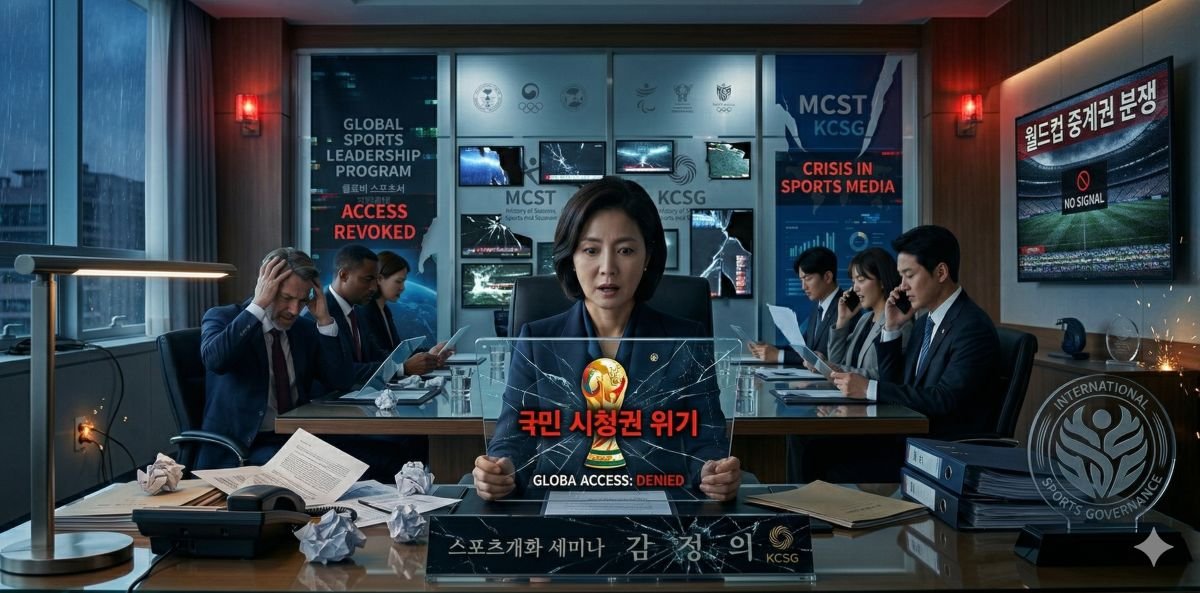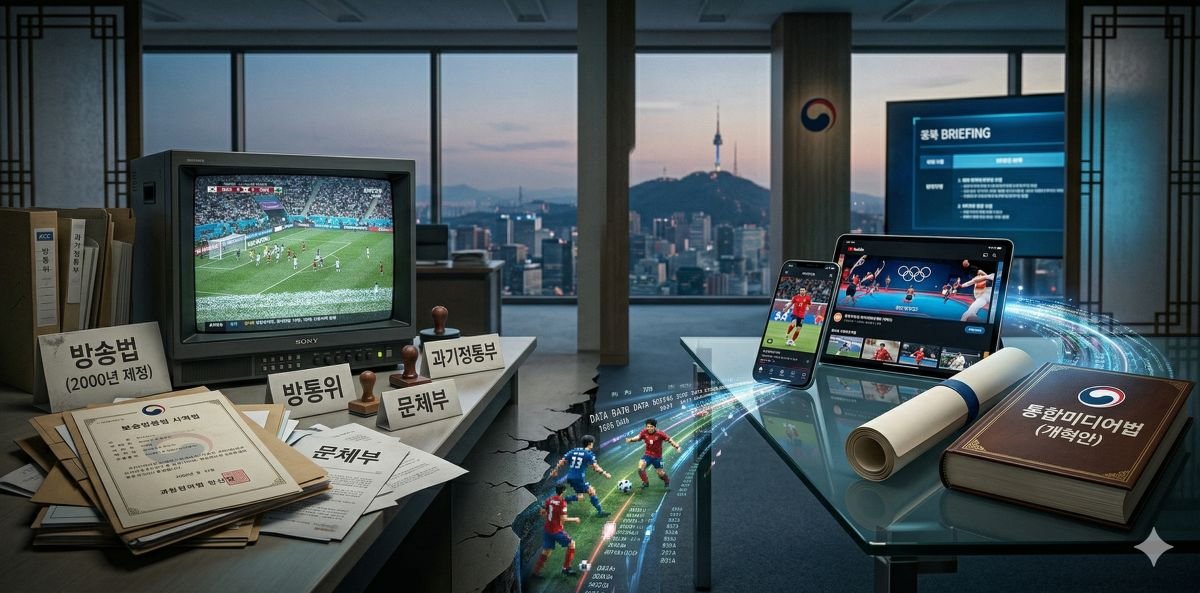
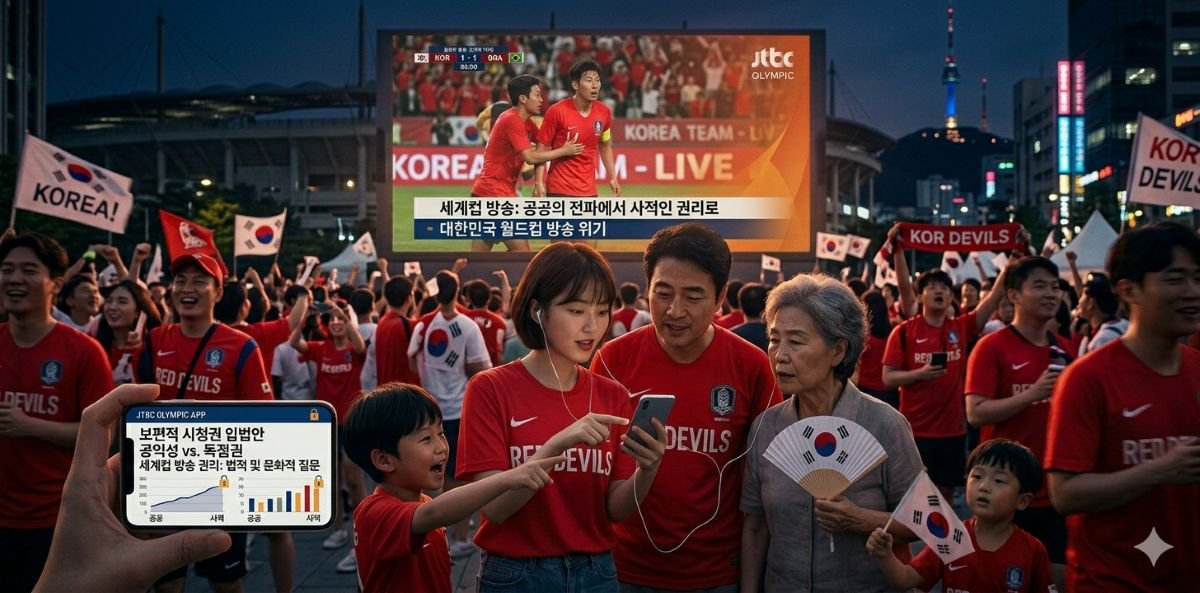
Who Has the Right to Watch the World Cup? Korea’s Broadcasting Crisis Is a Legal and Cultural Question
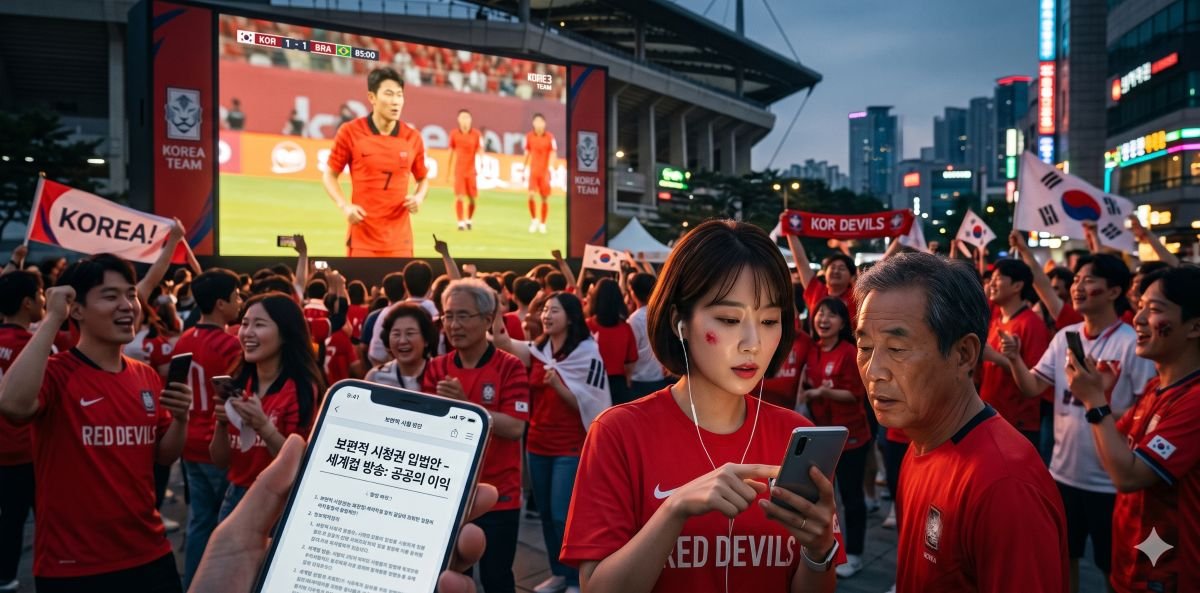
When the 2026 Milano Cortina Winter Olympics opened on February 6, South Korean viewers discovered something had changed. For the first time in 62 years, the Olympics were not airing on free terrestrial television. JTBC, a cable and digital broadcaster, held exclusive rights — and the opening ceremony drew a viewership rating of just 1.8%. One of the most watched events in Korean sports history had become, for many households without the right subscription, simply unavailable. That number — 1.8% — became a rallying point. Lawmakers, broadcasters, civic groups, and sports associations began asking a question that had previously seemed settled: