

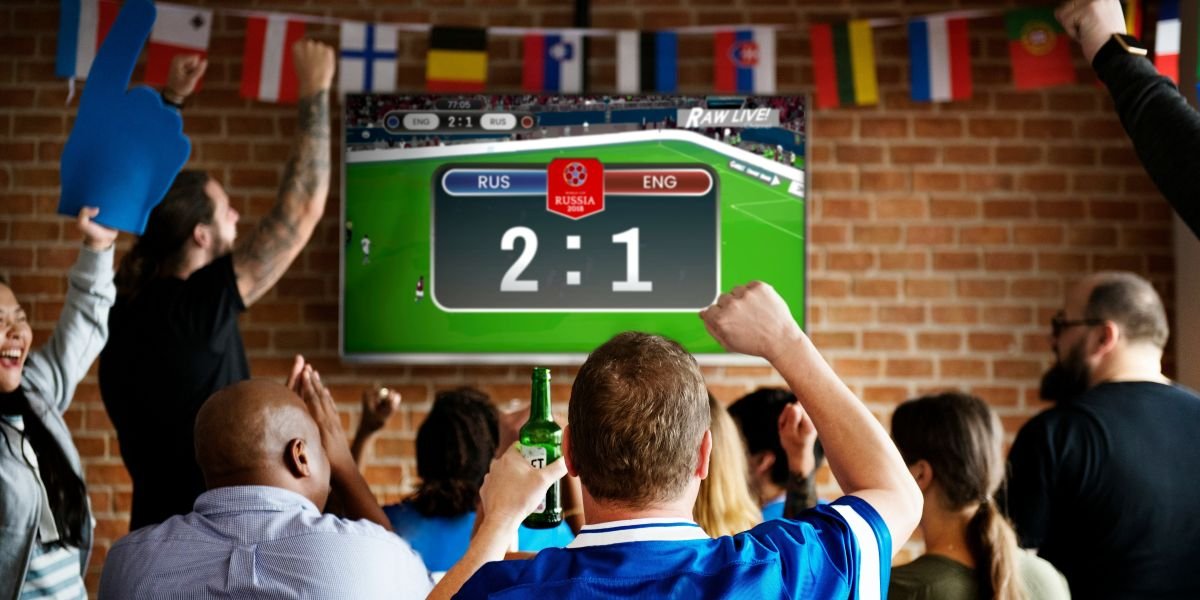
Over/under betting, which is also known as totals betting, is a way to wager on the total number of points or goals scored by both teams in a single game. Instead of choosing a winner or a loser, the bettor predicts whether the combined score will be higher or lower than a specific number set by the bookmaker. For example, if a football game has a total of 48.5 points, an “over” bet wins if the final score is 49 or more, while an “under” bet wins if the total score is 48 or less. This format allows fans to root for the pace and energy of a game rather than a specific team.
Understanding the Line and the Hook
When a person looks at a sportsbook, they will see a number listed next to the game. This number is called the “total” or the “line.” Bookmakers use complex math and historical data to find a number that they think represents the most likely outcome.
One common thing people notice is the “.5” at the end of many totals. In the betting world, this is called “the hook.” Because you cannot score half a point in most sports, the hook ensures that there is no tie between the bettor and the house. If the total was exactly 50 and the game ended 30 to 20, the result would be a “push,” and everyone would just get their money back. By adding the .5, the bookmaker guarantees that one side will win and the other will lose. You can find a more detailed definition of totals betting on Wikipedia.
Why People Choose One Side
In many cases, the general public prefers to bet on the “over.” This is because most sports fans enjoy watching high-scoring games with lots of action, touchdowns, or home runs. It is more fun to cheer for points than to hope for a boring, defensive match.
However, professional bettors often look for the “under.” They know that the public’s desire for excitement often pushes the line higher than it should be. If the public moves the line from 48 to 50 because they want a high-scoring game, the under becomes a better value. The game might still be exciting, but the math says it is unlikely to reach such a high number.
Expert Opinions on Betting Totals
Experts who study the physics and math of sports often mention that external factors are just as important as the players. Stanford Wong, a famous author on sports betting, has explained that understanding the environment is a key part of the process. In his writings, he suggests that totals are often more sensitive to the weather than the point spread is.
Another expert, Dr. David Sumpter, who is a professor of mathematics, notes that people often ignore how much the “pace” of a game matters. He says that the number of opportunities to score is what truly drives the total. If two teams play very slowly, even the best players in the world will struggle to go over a high total because they simply do not have enough time.
An analyst from a major sports network once said, “The over/under is a bet on the clock, not just the teams.” This means that as long as the clock is running, the “under” bettor is winning, while the “over” bettor is constantly fighting against time.
Real Data: Scoring Trends in Major Sports
To see how these lines work, we can look at the average totals for different professional leagues in the United States. The data shows that scoring has changed over the years as rules change to favor more offense.
| Sport | Average Total Line | Typical High Range | Typical Low Range |
| NFL (Football) | 44.5 | 54.5 | 36.5 |
| NBA (Basketball) | 226.0 | 242.0 | 212.0 |
| MLB (Baseball) | 8.5 | 11.5 | 7.0 |
| NHL (Hockey) | 6.0 | 7.0 | 5.0 |
In the NFL, a total of 44.5 is very common because it allows for several touchdowns and a couple of field goals. In the NBA, the numbers are much higher because of the fast pace and the high number of shots taken in a 48-minute game. When a line is set at 240, it tells the bettor that both teams are expected to play very fast and not focus much on defense.
Factors That Change the Total
Several specific things can cause a bookmaker to move the over/under line after it has been set. The most common factor is the weather. In football or baseball, strong winds or heavy rain make it much harder to score. If a storm is predicted, the total might drop by several points in just a few hours.
Injuries also play a big role. If a star quarterback or a leading scorer is injured, the total will almost always go down. On the flip side, if a team has a very weak defense and is playing against a top offense, the total will rise.
Finally, “rest” is a factor, especially in basketball. If a team is playing their third game in four nights, they might be tired. This could lead to a slower pace, which favors the under, or it could lead to lazy defense, which favors the over.
The Cost of the Bet
Just like other types of bets, over/under bets include a fee for the bookmaker. Most of the time, the odds for both the over and the under are listed as -110. This means you must bet 110 dollars to win 100 dollars.
This fee ensures the bookmaker makes a profit. If one person bets on the over and another bets on the under, the bookmaker collects a total of 220 dollars but only pays out 210 dollars to the winner. This small gap is how the betting system survives.
Making a Smarter Choice
If you are interested in this type of betting, the best strategy is to look at the “pace of play” and the “efficiency” of the teams. Efficiency tells you how many points a team scores per 100 possessions. If a team is efficient but plays slowly, their games might stay under the total. If they are fast and efficient, they are a great candidate for the over.
By focusing on the total points rather than the winner, you can watch a game with a different perspective. You are not cheering for a jersey, you are cheering for the flow of the game itself. Whether you want a high-scoring blowout or a tight defensive battle, over/under betting gives you a way to stay involved until the final whistle blows.