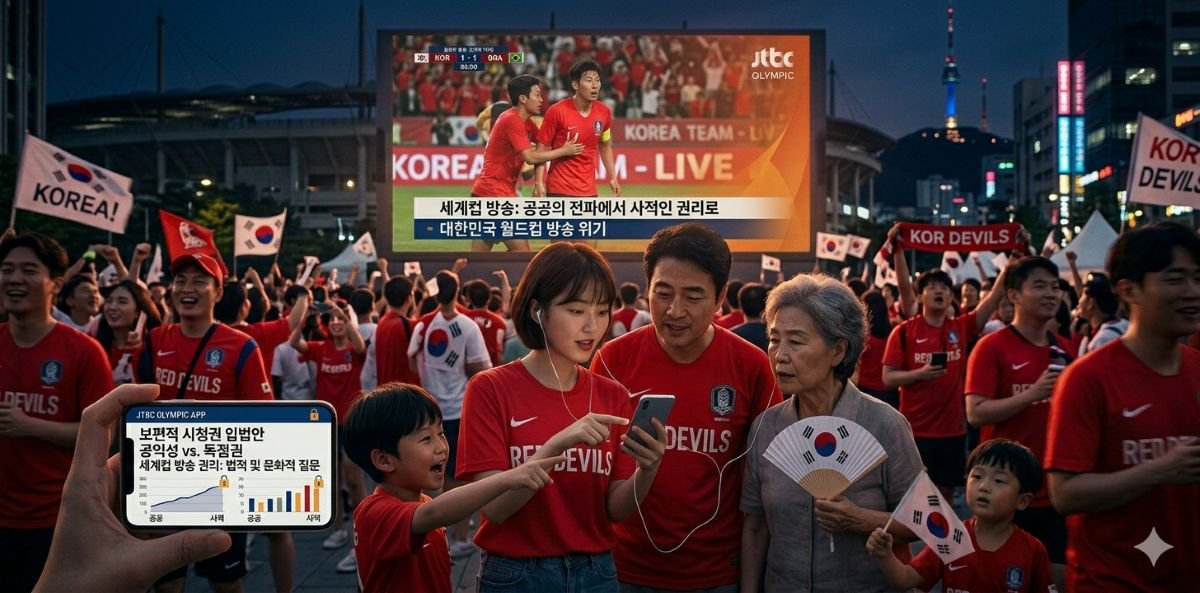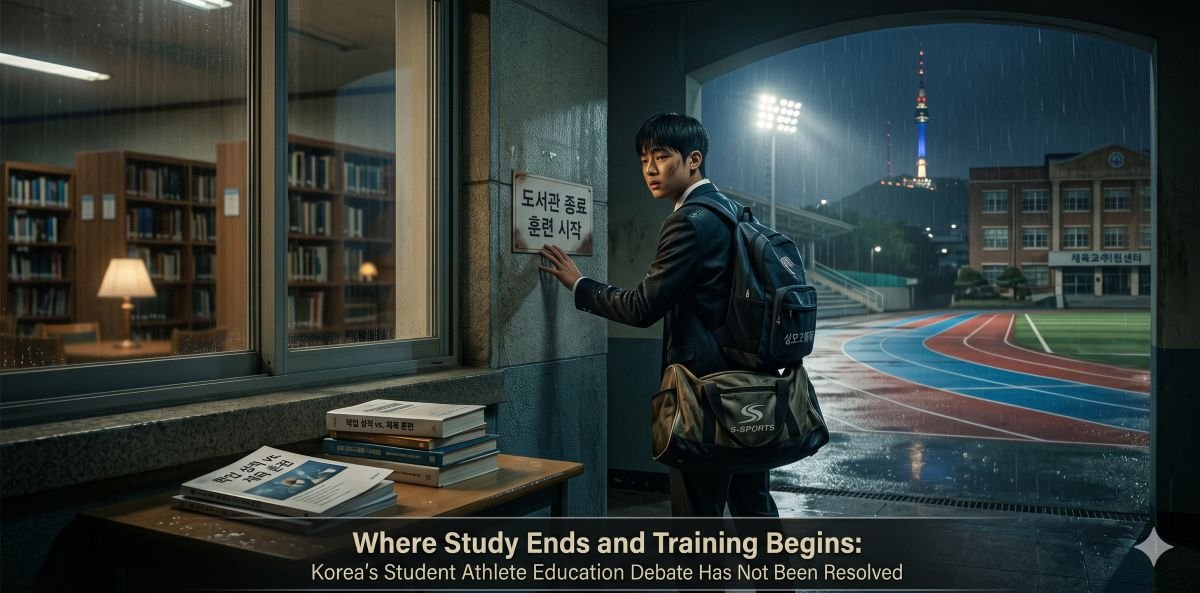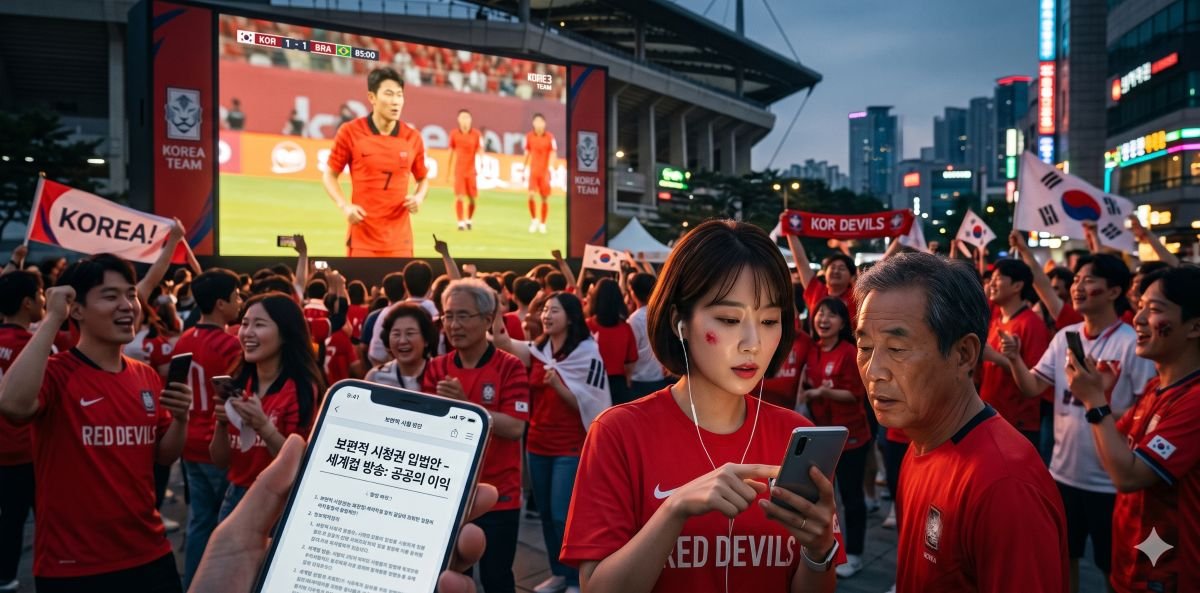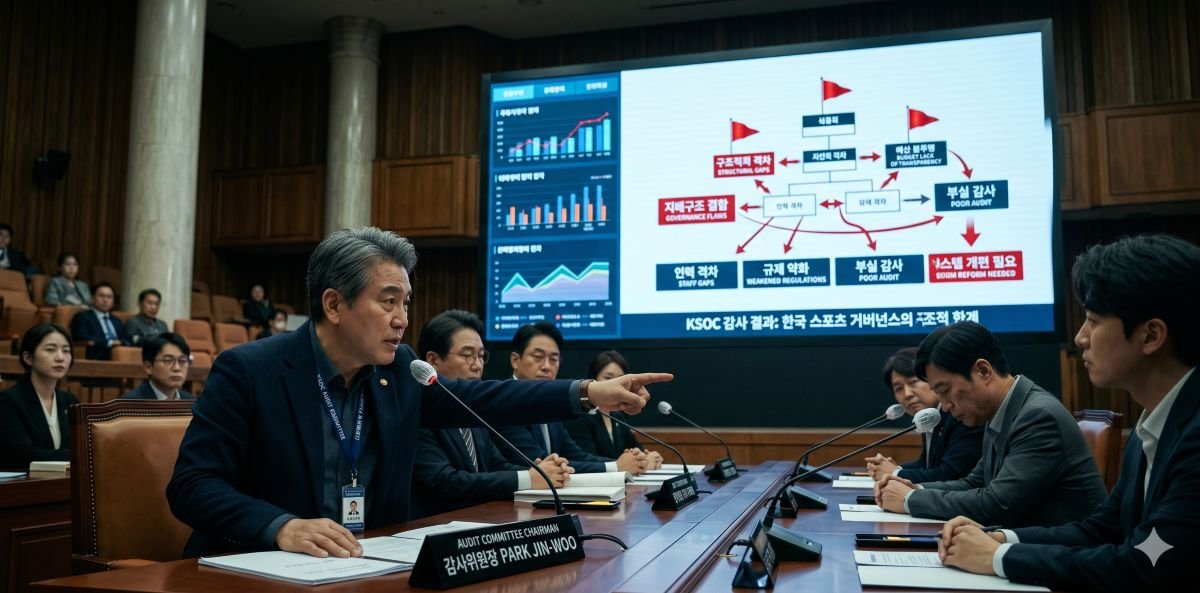

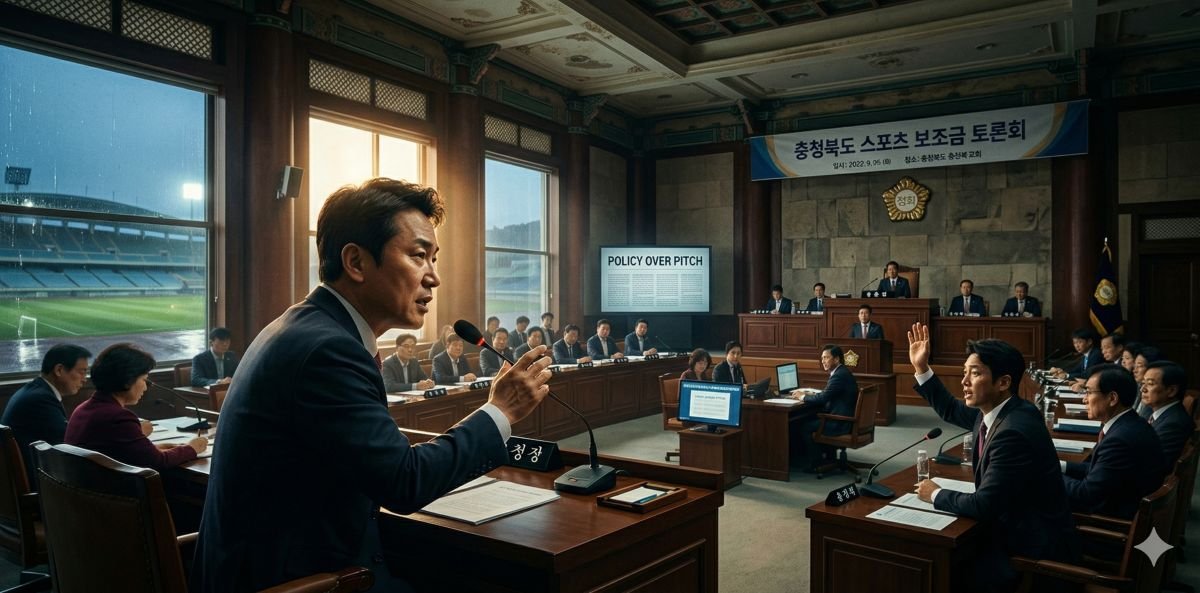
As of April 12, 2026, the halls of the Chungcheongbuk-do Provincial Council have become as critical to the future of local football as the pitch at Cheongju Stadium. The council has entered a rigorous review phase of the “Professional Sports Promotion Ordinance,” a legislative framework that dictates how public funds are allocated to regional institutions. For supporters of Chungbuk Cheongju FC and the broader community, this debate represents a fundamental shift in the legal and cultural contract between a city and its professional sports teams.
Understanding this debate is essential for any resident who views sports not just as a weekend entertainment, but as a vital component of regional identity. The discussion moves beyond the simple win-loss columns, focusing instead on the accountability, sustainability, and civic duty of professional organizations receiving taxpayer support.
The Legislative Shift: From Startup to Sustainability
The crux of the current council debate lies in a transition of funding philosophy. Since its inception, Chungbuk Cheongju FC has operated under a “founding-phase support” model. This traditional approach provided the initial capital necessary for the club to establish its infrastructure, join the K League 2, and navigate the high entry costs of professional sports.
However, the proposed amendments to the ordinance signal a move toward a “performance-and-public-benefit” model. Under this new framework, future subsidies would not be guaranteed by existence alone. Instead, they would be tied to measurable Key Performance Indicators (KPIs) that extend far beyond the league table. These include:
Youth Engagement: The success of grassroots programs and the integration of local talent into the professional pipeline.
Economic Circulation: Measuring how match days stimulate local businesses in Cheongju, from transport to hospitality.
Administrative Transparency: Ensuring that the club’s financial management meets rigorous public standards.
This mirrors a broader national trend where Korea’s 2026 sports budget reflects a policy shift toward public access, prioritizing the democratization of sports over the isolation of elite professional interests. For the council, the goal is to ensure that every won invested yields a tangible return for the citizens of North Chungcheong.
Cultural Identity: The Club as a Public Asset
Perhaps the most significant cultural nuance of this debate is the redefinition of what a “professional team” is. Traditionally, clubs have been viewed as private commercial entities that happen to reside in a specific city. The Chungcheongbuk-do Provincial Council is increasingly challenging this view, arguing that a team receiving public subsidies should be treated as a public asset.
This perspective shifts the focus toward the preservation of regional heritage. In a globalized world, professional sports are one of the few remaining platforms where a city can project its unique identity. By providing subsidies, the provincial government is essentially “buying into” this identity. Consequently, the legal definition of “public benefit” is being expanded to include:
Symbolic Representation: How the club promotes the image of Chungcheongbuk-do on the national stage.
Social Cohesion: The role of the stadium as a “third space” where diverse residents gather, fostering a sense of belonging that transcends socioeconomic lines.
This legislative evolution is a local manifestation of how legal structures and evolving regulations drive shifts in how industries operate. Just as regulations in other digital or entertainment sectors have moved from mere prohibition to active system management, sports governance is moving toward a model of active civic partnership.
Societal Impact: Why Fans Must Understand the Framework
For the casual fan, these council sessions might seem like dry administrative procedure. However, the outcome of these debates determines the quality of the stadium experience, the ticket prices, and even the long-term survival of the team.
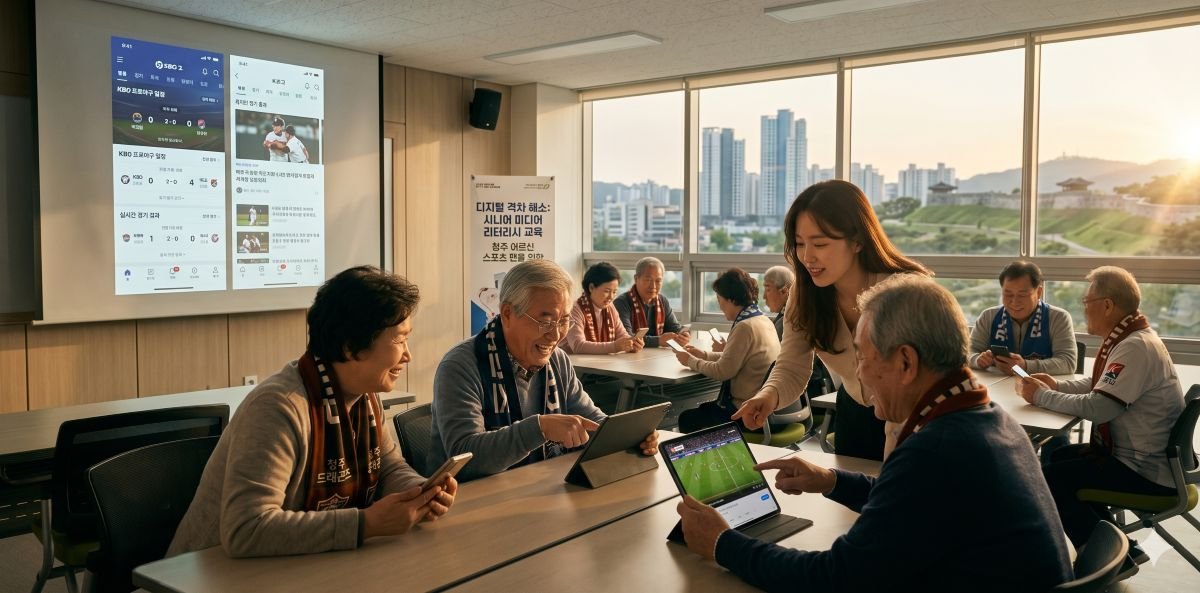
The council has called for increased public participation in the review process, encouraging residents to attend hearings and provide feedback on what “public benefit” means to them. This creates a behaviorally informed fan base that understands that their support of the team is also a form of civic engagement.
When the conversation moves from “why didn’t we sign a new striker?” to “how is our club supporting local youth education?”, the entire culture of the fan base matures. It forces the club to remain behaviorally grounded in its community, ensuring it doesn’t become a “satellite entity” disconnected from the local streets of Cheongju.
Key Questions for Public Consideration:
Should subsidies be capped if the club fails to reach specific youth development milestones?
How can the club better utilize its facilities for public use during the off-season?
What is the fair balance between professional ambition and municipal fiscal responsibility?
Conclusion: The New Social Contract
The debate in the Chungcheongbuk-do Provincial Council is a bellwether for the future of regional sports in South Korea. It suggests that the era of unconditional “founding support” is ending, replaced by a more sophisticated, mutually beneficial social contract.
For the residents of Cheongju, this is an opportunity to take ownership of their club in a way that goes beyond buying a scarf or a ticket. By understanding the legal and cultural dimensions of sports subsidies, the community can ensure that Chungbuk Cheongju FC remains a sustainable, transparent, and pride-inducing pillar of the North Chungcheong region for generations to come.