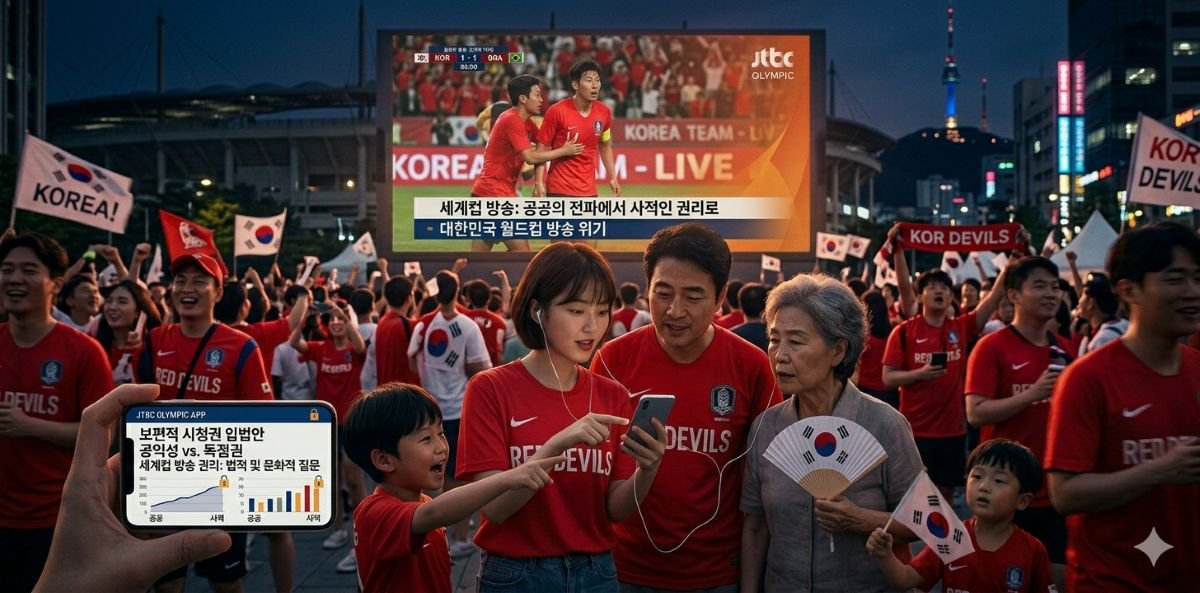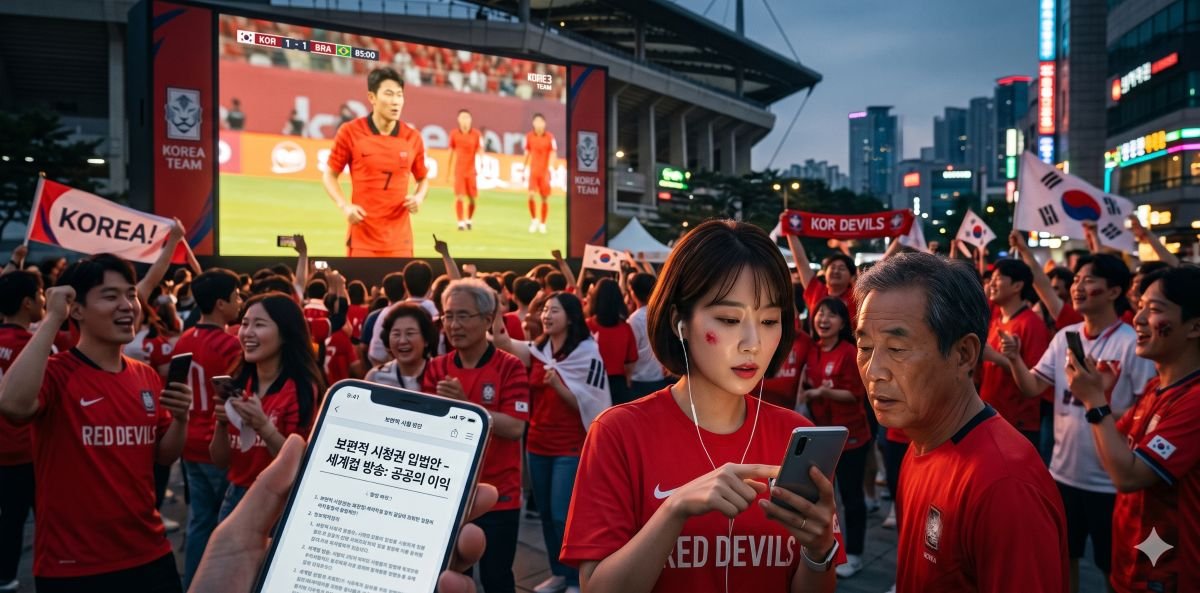

The 2026 professional sports landscape in South Korea looks dramatically different than it did just a few years ago. While the KBO and K League continue to draw record-breaking attendance, the battle for viewership has moved from the television set to the smartphone. Following a comprehensive study released on April 11 by the Chungbuk Media Center, it has become clear that this digital migration is not being felt equally across all age groups. In Cheongju, a city with a deep-rooted love for its local sports culture, aging fans are facing a significant “digital divide” that impacts not just how they watch the game, but their online safety as well.
The Great Migration to OTT Platforms
In 2026, broadcasting rights for major sports have shifted almost entirely to premium Over-The-Top (OTT) platforms. For younger “digital natives,” navigating a subscription-based app to watch a game is second nature. However, for Cheongju’s senior population, the transition from traditional cable TV to mobile-first streaming has created a barrier to entry.
The convenience of watching a game anywhere comes with a cost: complexity. Older fans often find themselves struggling with multi-step authentication, subscription management, and the technical requirements of high-speed streaming. This barrier has led many to seek out alternative ways to watch their teams, which introduces a new set of risks.
The Information Credibility Gap and “Malicious Mirrors”
The most alarming finding of the Chungbuk Media Center study is the prevalence of “malicious mirrors.” These are unauthorized, free streaming sites that target users who are either unable or unwilling to pay for premium subscriptions. For fans over the age of 60, these sites can look like a helpful shortcut, but they are often breeding grounds for malware and phishing scams.
Senior fans, often less familiar with the subtle visual cues of a secure website, are frequently lured in by aggressive pop-ups and fake “system update” warnings. This is where media literacy becomes a tool for digital safety. Educating the public on how to identify verified environments—such as checking for official league partner badges or secure “https” protocols—is no longer just a technical skill; it is a fundamental part of fan safety in the 2026 season.
Behavioral Isolation vs. Community Spirit
Sports in Cheongju have historically been a social glue. Whether it was gathering at a local community center or a neighborhood restaurant, watching a game was a collective experience. The shift toward “individual mobile viewing” is fundamentally changing this social fabric.
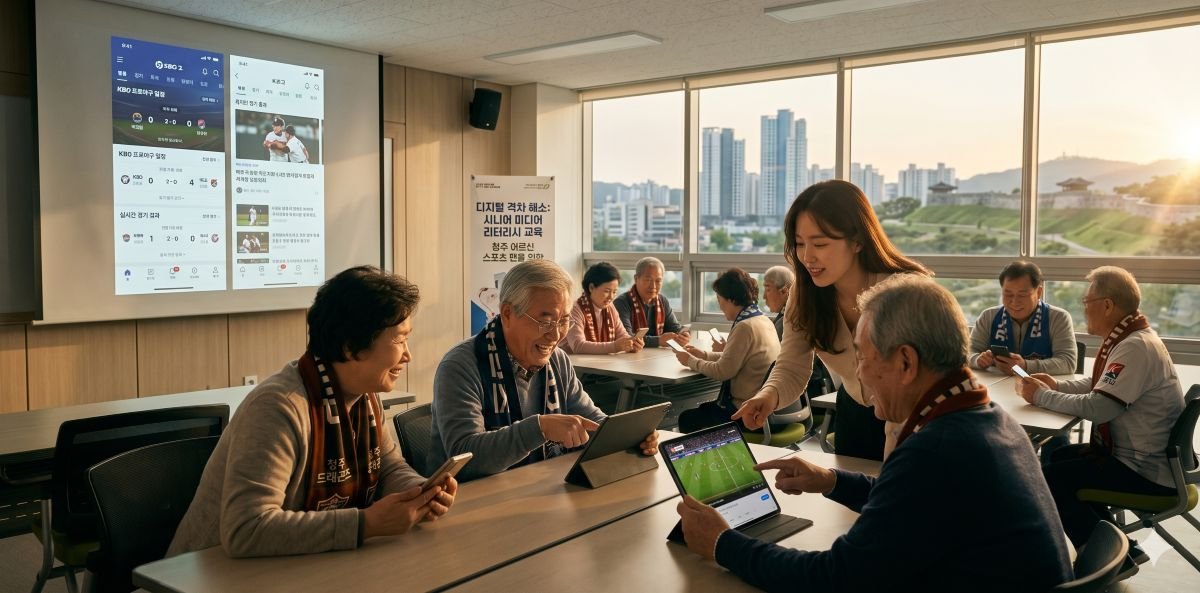
As older fans move toward isolated viewing on small screens, the communal joy of the game is being lost. The study notes a rise in behavioral isolation, where the social interactions that once defined local fan clubs are being replaced by solitary digital consumption. To combat this, local community initiatives are being called upon to teach digital navigation skills in public spaces. By bringing fans together for “digital coaching” sessions, Cheongju can preserve its sports traditions while empowering its seniors to master new technology.
The Psychology of Risk in Digital Spaces
Unofficial platforms do not just steal data; they use psychological hooks to keep users engaged. Many of these high-risk sites use “dark patterns”—design choices intended to confuse or manipulate users into clicking on ads or sharing personal information.
For a fan who is simply trying to see the score, these distractions can be overwhelming. Understanding the 사후확신편향-결과 중심적 사고가 만드는 인지적 왜 (hindsight bias and the cognitive distortions created by result-oriented thinking) is helpful here, as it reminds us that our desire for a specific outcome—like seeing our team win—can make us ignore the red flags on the screen. When a fan is emotionally invested in a match, they are statistically more likely to click on a dangerous link just to stay connected to the action.
Fostering “Platform Hygiene”
To create a safer digital ecosystem in Cheongju, the focus must shift to “platform hygiene.” This involves educating fans on how to manage their subscription data and recognizing the difference between a legitimate sports app and a high-risk site.
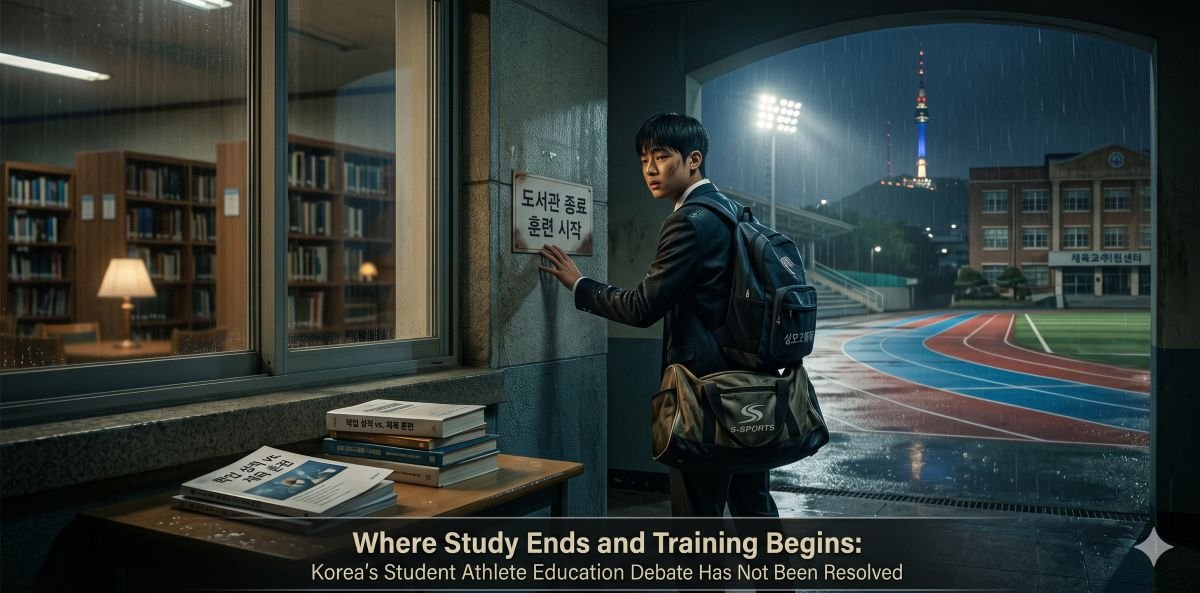
Part of this education involves understanding the broader policy shifts in the country. For instance, there is an ongoing Korea student-athlete education policy debate that reflects a wider societal push toward literacy and structured learning in sports. Applying this same educational rigor to the fan experience is the next logical step. Fans need to be taught that managing their digital footprint is as much a part of the “game day routine” as wearing a jersey.
A Roadmap for the Future
As the 2026 season progresses, the goal for Cheongju is to ensure that no fan is left behind in the analog past. Bridging the digital divide requires a multi-generational effort:
Family Assistance: Younger family members should take an active role in setting up secure, official accounts for their elders.
Public Workshops: Libraries and community centers can host “Stream-Smart” workshops to guide seniors through the mobile landscape.
Transparent Reporting: Local media must continue to highlight the dangers of unauthorized sites to keep the public informed.
The shift to digital streaming was inevitable, but the exclusion of our most loyal fans was not. By prioritizing media literacy and digital safety, Cheongju can ensure that the roar of the crowd is heard just as loudly from our seniors’ smartphones as it was from the televisions of the past. Supporting our aging fanbase is not just about the game; it is about maintaining the dignity and safety of our community in an increasingly connected world.