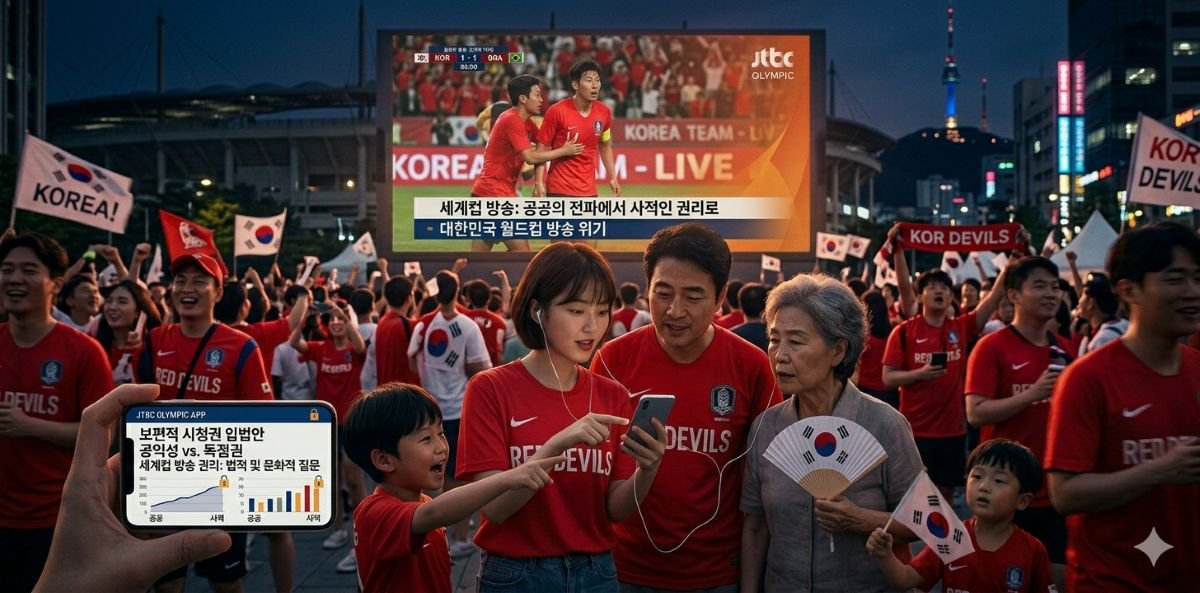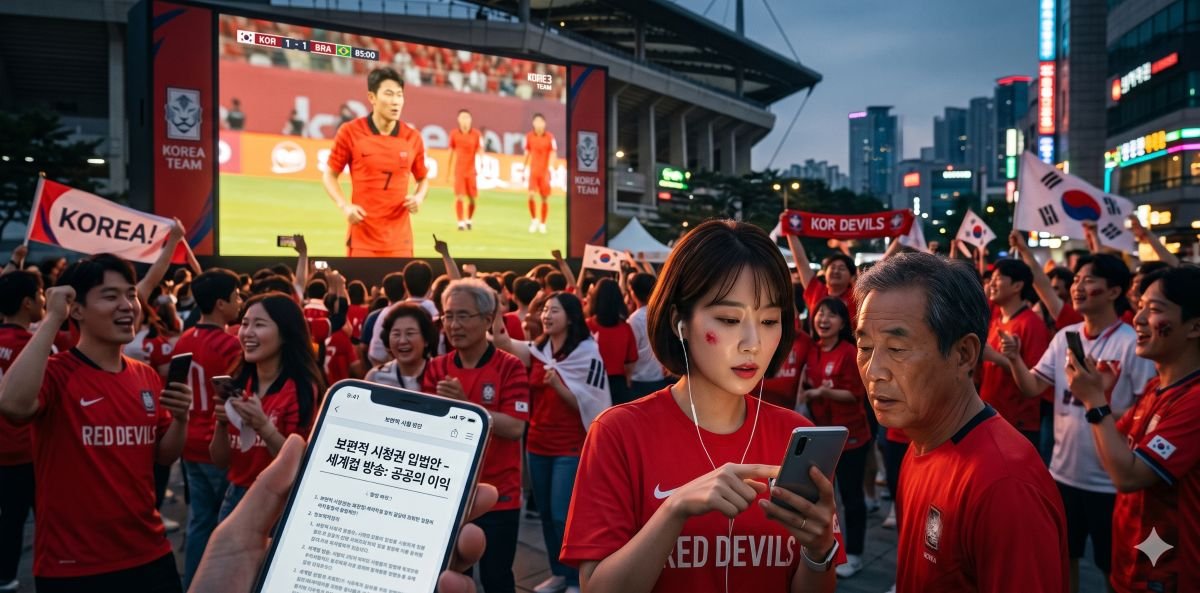

The 2026 FIFA World Cup is months away, and millions of Korean citizens may not be able to watch the national team play on a free channel — not because the matches are unavailable, but because of how broadcasting rights were structured, sold, and withheld from the public domain.
The Olympics That Nobody Watched
To understand the World Cup dispute, it is necessary to start with what happened at the Milano Cortina 2026 Winter Olympics. For the first time in 62 years, the Olympic Games aired in South Korea without terrestrial broadcast coverage. JTBC acquired exclusive broadcasting rights at considerable cost, becoming the sole Korean broadcaster of the Games. The result was an opening ceremony viewership rating of 1.8 percent — a figure that, in a country where Olympic fever has historically driven some of the highest television ratings of any four-year period, represents a collapse in public engagement with a major international sporting event.
Critics were swift to label it the most ignored Olympics in Korean broadcasting history. The cause was not lack of interest in the Games themselves. It was the structural barrier created by exclusive rights held by a single pay broadcaster, with no free-to-air alternative available to citizens who do not subscribe to JTBC’s platform.
The World Cup Conflict Is the Same Problem at a Larger Scale
The same structural conflict is now expanding to the 2026 FIFA World Cup. JTBC exclusively secured the Korean broadcasting rights for the tournament. It then sold what is arguably the most commercially valuable component of those rights — the digital streaming and video clip rights — to Naver, Korea’s dominant internet portal. This arrangement gives Naver sole control over online streaming access and highlights, while terrestrial broadcasters are left attempting to negotiate sublicensing terms for linear television broadcast.
The negotiation is complicated by a fundamental information asymmetry. Terrestrial broadcasters report that they cannot conduct fair negotiations because they do not know the terms of JTBC’s agreement with Naver. JTBC has not disclosed those terms. The result is a rights landscape in which the public broadcaster system — which has historically served as the default delivery mechanism for major national sporting events — is effectively locked out of the process by the opacity of a private commercial arrangement.
How the same sporting event can feel entirely different depending on the legal framework governing access to it is a structural question that goes well beyond any single broadcast deal. The analysis of why the same event produces different experiences depending on the rules applied to it provides useful context for understanding why broadcasting law, not broadcaster preference, is ultimately what determines whether citizens can watch their national team compete.
The Lawmaker’s Intervention — Naming This as a Public Rights Issue
Representative Cho Gye-won has called on the Ministry of Culture, Sports and Tourism to intervene, urging the government to redefine major international sports event broadcasting as a public good. The argument is direct: when a national team competes in a FIFA World Cup or an Olympic Games, the ability of citizens to watch that competition on a free channel is not a consumer preference — it is a public right. Monopolistic broadcasting rights held by specific commercial networks are, by this reasoning, an infringement on citizens’ universal viewing rights.
The legislative models proposed by Rep. Cho are not theoretical. Britain’s Listed Events rules legally guarantee free-to-air access for a defined list of major sporting events, including the FIFA World Cup finals, the Olympics, the FA Cup final, and Wimbledon. Australia’s Anti-Siphoning system operates on a similar principle, preventing pay television broadcasters from acquiring exclusive rights to events designated as being of national significance without first making those events available on free-to-air television. Both systems are built on the premise that certain sporting events transcend commercial entertainment and function as shared national experiences that should not be subject to full market logic.
Rep. Cho also proposed expanding the Korea Pool consortium — currently a framework for coordinating domestic broadcasting — to include not just terrestrial broadcasters but OTT platforms and new media outlets, reflecting the reality that the streaming ecosystem is now as central to how Koreans consume live sports as traditional television.
What This Means for Regional Audiences
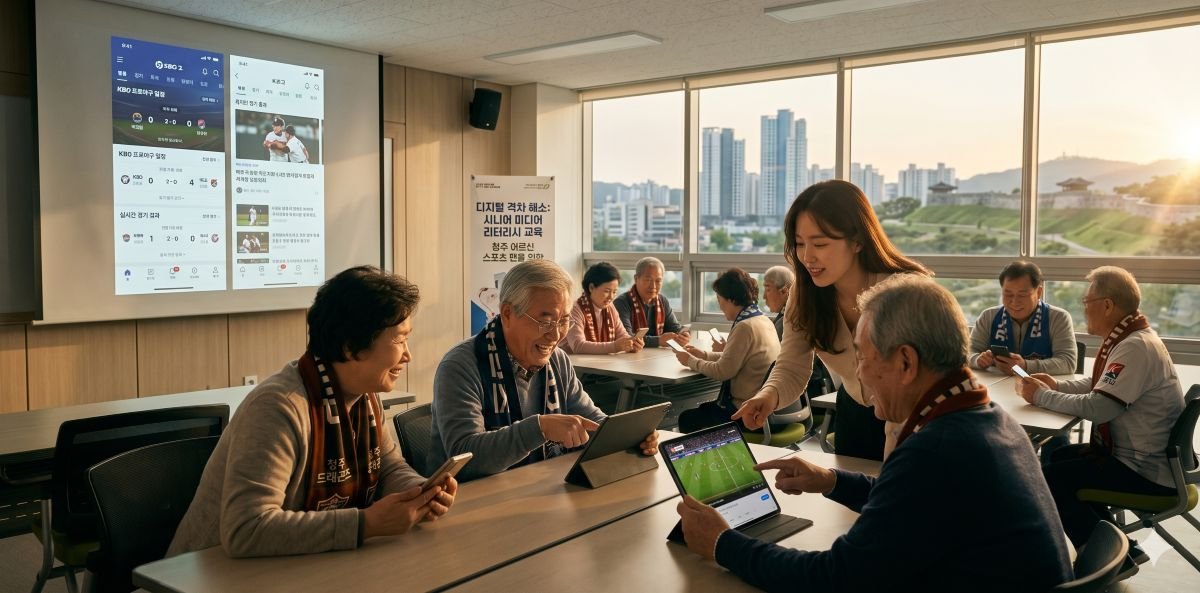
For citizens in Cheongju and across Korea’s regional cities, this dispute is not an abstract policy debate. It is a concrete question about whether they will be able to watch Korea play at the World Cup without paying a subscription fee or navigating a platform they do not regularly use. CheongjuInsider’s analysis of when sports broadcasting becomes a public policy question examines exactly this dimension — how the national broadcasting rights conflict lands differently when viewed from the perspective of regional audiences rather than media industry stakeholders in Seoul.
Regional viewers have historically relied on KBS, MBC, and SBC as their primary access points for major national sporting events. These are free, universally available channels that do not require subscriptions, platform accounts, or devices beyond a standard television. When those channels are excluded from broadcasting a World Cup, the impact is felt most acutely by audiences who have not adopted streaming-first media consumption habits — which skews significantly toward older viewers and residents of areas with less digital infrastructure.
The Structural Question Beneath the Dispute
The World Cup broadcasting conflict exposes a structural question that Korean media regulation has not yet resolved: at what point does a sporting event become sufficiently significant to the national public interest that its broadcasting rights can no longer be treated as purely commercial assets?
Other democracies have answered this question through legislation. Korea has not. The current framework allows a broadcaster to acquire exclusive rights to the FIFA World Cup, sell the most valuable component of those rights to a separate commercial entity, conduct the sublicensing negotiations with terrestrial broadcasters behind closed doors, and do all of this entirely within the existing legal structure — because no law currently prevents it.
The Ministry of Culture, Sports and Tourism has not yet responded publicly to Rep. Cho’s call for reform. The World Cup begins in June. The window for legislative or regulatory intervention before Korean citizens find themselves unable to watch the opening match of their national team on a free channel is narrowing.
Whether Korea chooses to treat major international sporting events as public goods or private assets will define not just how one tournament is broadcast, but what kind of relationship citizens have with the national sporting culture that their taxes, their athletes, and their collective attention have built over decades.