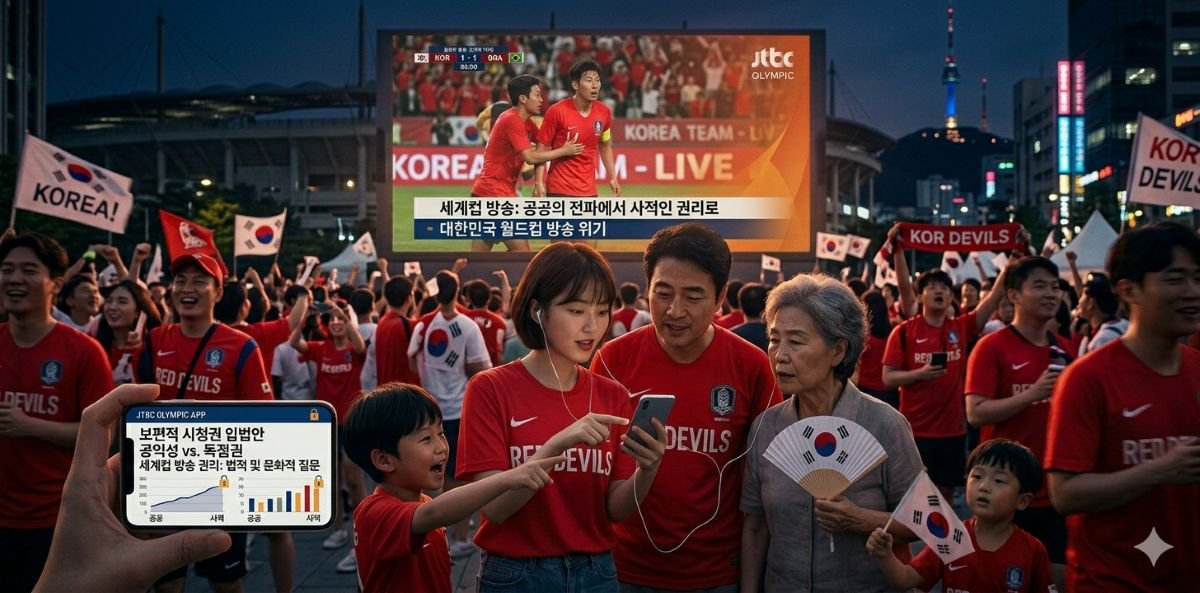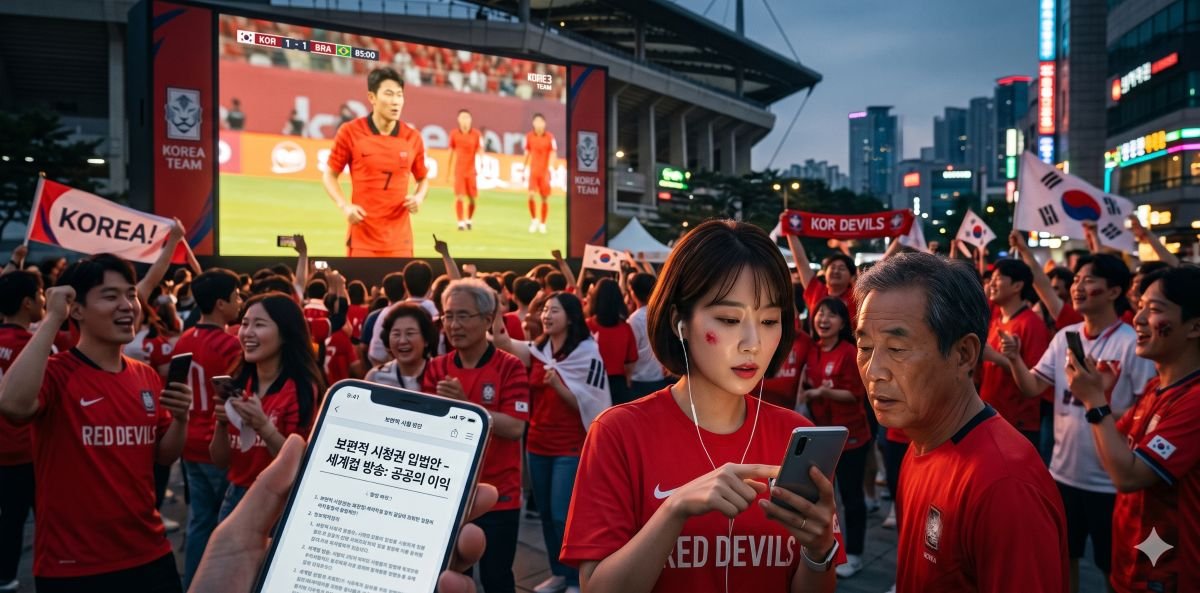

Imagine sitting down to watch a major national football match, only to find that your usual free-to-air channel is not showing it. Instead, you have to sign up for a new streaming service or a specific cable channel you do not usually use. This frustration is not just a matter of business competition, it is a result of a legal framework that is struggling to stay relevant. In South Korea, the rules governing what you see on your screen are primarily based on the Broadcasting Act of 2000. While that law worked well when everyone watched the same three or four channels on a bulky television, it was not built for an era of high speed fiber optics and mobile apps. As we move through 2026, the government is working to rewrite these rules to ensure that the law matches how citizens actually consume media today.
The Core Problem: Regulatory Asymmetry
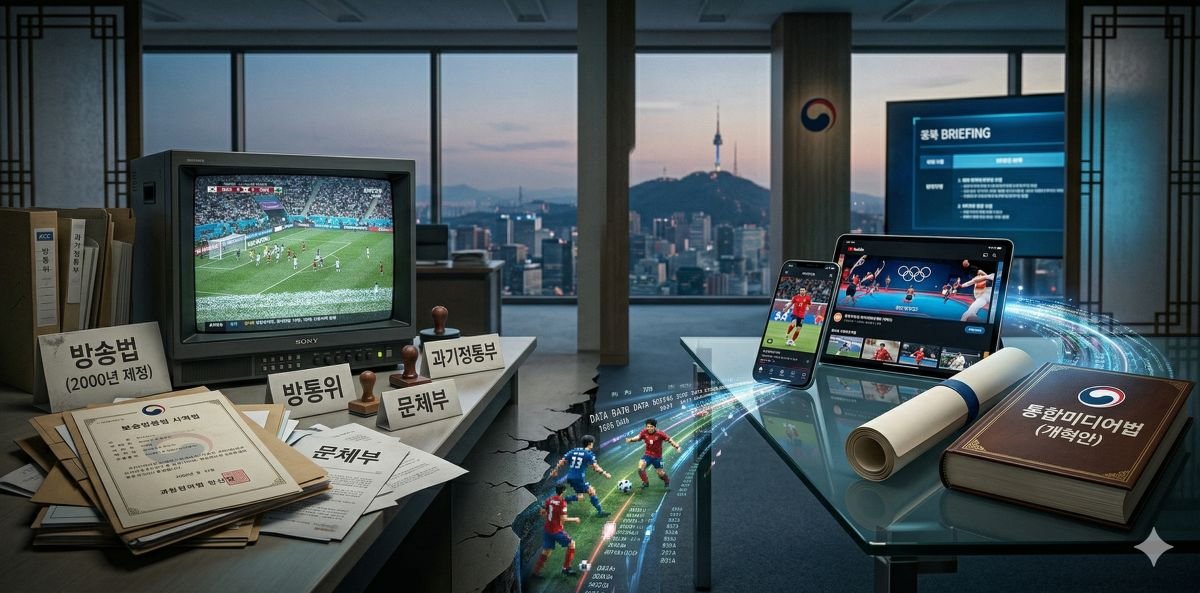
The fundamental issue facing regulators is something called regulatory asymmetry. This is a fancy way of saying that the rules are not balanced. Under the current system, traditional broadcasters like KBS, MBC, and SBS are subject to strict requirements. They must follow specific guidelines regarding political neutrality, public interest, and fairness. They also have obligations to provide certain types of content to the general public for free.
In contrast, newer digital platforms and streaming services often operate in a legal gray area. Because they are not technically “broadcasters” under the 2000 law, they do not always have to follow the same rules. This creates a situation where a traditional TV station might be prohibited from certain types of advertising or exclusive deals, while a streaming app can do as it pleases. For fans, this means that the “universal viewing rights” we used to take for granted are becoming harder to protect.
The Jigsaw of Oversight: Who Is in Charge?
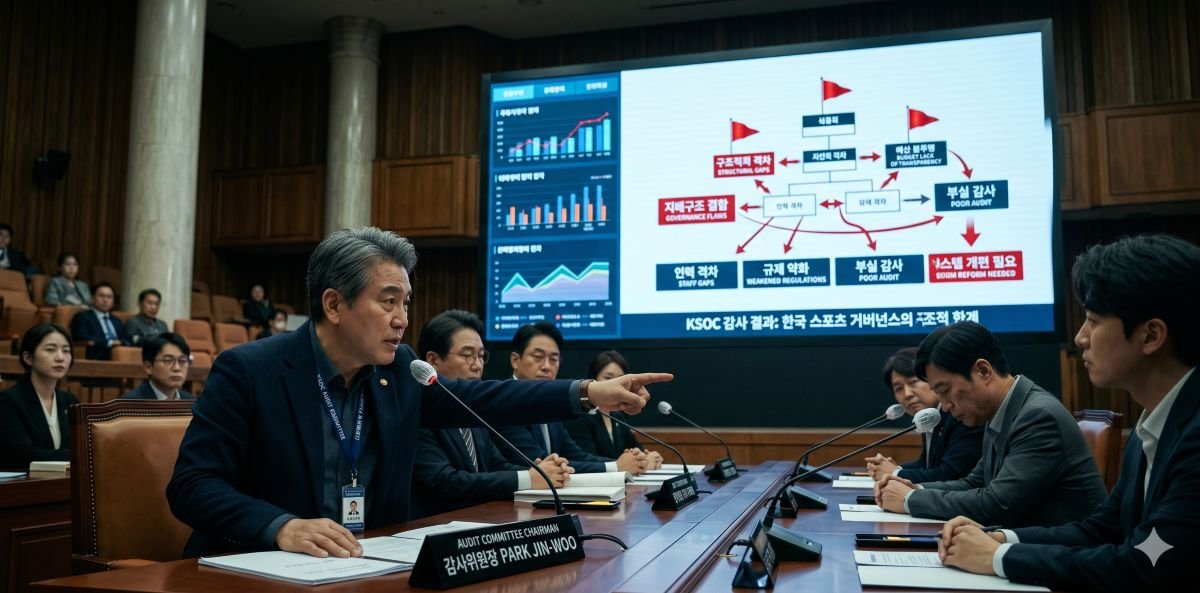
One reason why reform has taken so long is that the responsibility for media is split between different government bodies. It can feel like a jigsaw puzzle where the pieces do not quite fit together.
Korea Communications Commission (KCC): This body handles the licensing and content standards for traditional TV and news providers.
Ministry of Science and ICT (MSIT): This department manages the technical infrastructure, such as the internet networks and the business side of telecommunications.
Ministry of Culture, Sports and Tourism (MCST): This group oversees the actual content and the promotion of the media industry.
In the past, these groups often had jurisdictional disputes, which meant that new laws would stall before they could be passed. However, a recent shift has moved many of the broadcasting policy functions to a single regulator. This streamlining is intended to make the reform process faster and more efficient, reducing the bureaucratic red tape that has slowed down progress for two decades.
Read also: How Football Simulation Models Work — What Korea’s 77% World Cup Probability Actually Means
Why Sports Fans Should Care: The Exclusive Rights Debate
The most visible impact of these laws is felt during major sporting events like the Olympics or the FIFA World Cup. In the past, Korean broadcasters often used a system called the “Korea Pool.” This was a cooperative agreement where the major stations bid together for the rights to big games, ensuring that every citizen could watch the national team regardless of which channel they had.
Recently, this system has faced significant challenges. When a single platform or cable channel decides to bid independently and secure exclusive rights, the “universal access” model breaks. For example, the 2026 FIFA World Cup and upcoming Olympic Games have been at the center of a debate over whether private exclusive deals should be allowed to bypass public service broadcasters. The new regulatory framework aims to establish a “horizontal” system. This means that the rules for access and fairness would apply to the content itself, regardless of whether you are watching it on a smart TV or a smartphone.
| Feature | 2000 Broadcasting Act | 2026 Proposed Media Law |
| Focus | Channel-based (KBS, SBS, etc.) | Content-based (all platforms) |
| Oversight | Split between KCC and MSIT | Unified under a streamlined body |
| Digital Platforms | Largely unregulated | Included in a single framework |
| Public Access | Limited to traditional TV | Aiming for cross-platform access |
The Impact on Regional Viewing
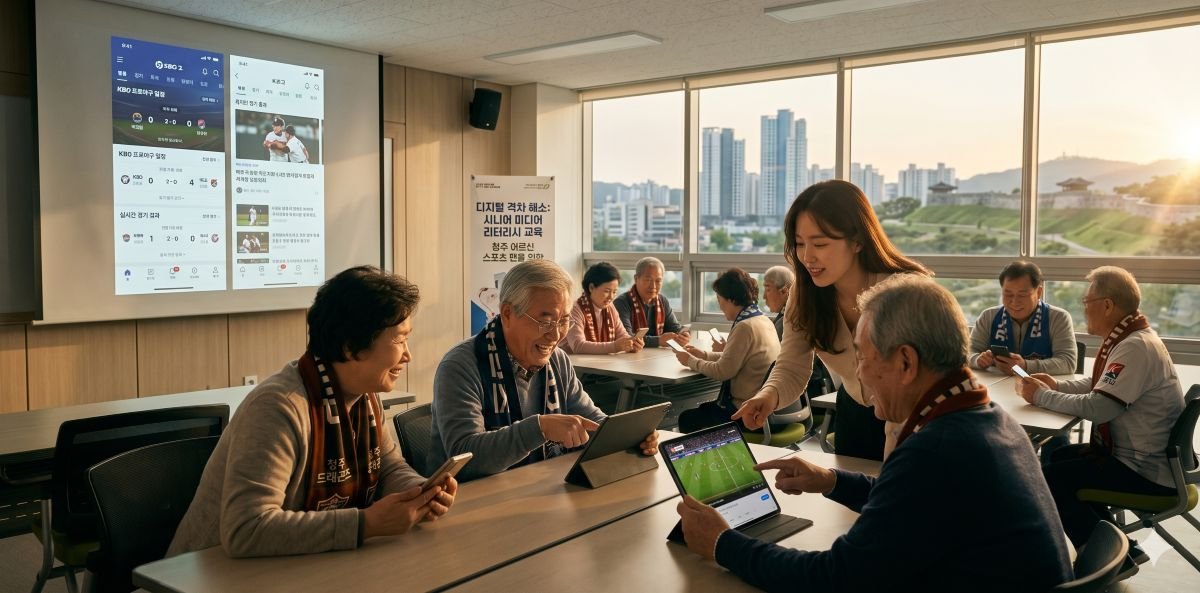
For citizens living in cities like Cheongju or across the North Chungcheong Province, these legal changes are quite practical. When sports broadcasting becomes fragmented, it is the viewers who pay the price through multiple subscription fees and confusing access rules. A reformed media law would ideally create a more predictable environment. It would ensure that if a match is determined to be of significant public interest, it remains accessible to everyone without a high financial barrier.
“The goal of media reform is to ensure that the public’s right to watch remains a priority, even as technology changes the way we deliver the signal.”
Looking Toward a Unified Future
As the Korea Media and Communications Commission gathers expert opinions and drafts the final version of this new comprehensive law, the focus is on stability. The government wants to create a fairer environment where traditional stations can compete with digital giants, and where citizens are protected from deceptive content or unfair pricing.
The rewrite of the framework is a recognition that the digital divide between “TV” and “Internet” has disappeared. For the average fan, the hope is that these changes will lead to a simpler experience. Instead of worrying about which app holds the rights to the next big game, the law should ensure that the moments that bring the nation together remain within reach of every household. This regulatory evolution is a necessary step to keep Korean media culture vibrant and accessible in the decades to come.